
Blog

All Dublin Hyundai Dealer Local Hyundai Comparisons IONIQ Dublin Hyundai Service Hyundai Electric Cars Hyundai Tucson Hyundai Elantra Hyundai Features Hyundai Kona Hyundai Santa Cruz Hyundai Santa Fe Financing Hyundai Sonata Hyundai Performance Cars Dublin Used Cars Hyundai Palisade
Bike parked in front of a vegetable stand at a Pleasanton, CA farmers market.

Top 12 Things to Do Outside in Pleasanton, CA

At Dublin Hyundai, we’re proud to serve drivers who live, work, and play in beautiful Pleasanton, CA. Nestled in the heart of the Tri-Valley area, Pleasanton offers breathtaking landscapes, a mild climate, and countless outdoor activities. Whether you’re behind the wheel of your Hyundai or taking a leisurely stroll, Pleasanton is the perfect destination for enjoying nature and community events. Let us guide you through some of the best outdoor activities in and around Pleasanton. more 1. Hiking on Pleasanton Ridge Explore the stunning vistas of Pleasanton Ridge Regional Park. With trails like Ridge Trail and Woodland Loop, this park caters to everyone, from seasoned hikers to families looking for a scenic stroll. Take your Hyundai Tucson or Santa Fe to the nearby trailhead and experience the beauty of the Bay Area. Tip: Start early to avoid the midday heat and pack plenty of water. 2. Del Valle Regional Park Just a short drive from Pleasanton, Del Valle Regional Park is perfect for kayaking, paddleboarding, fishing, or camping. With its scenic lakes and rugged hills, it’s a haven for weekend adventurers. Planning a family outing? Check out Alviso Adobe Community Park for a mix of history and nature, complete with charming picnic spots. 3. Family Fun at Ken Mercer Sports Park Families love Ken Mercer Sports Park, which features playgrounds, sports fields, and shaded areas for picnics. After a morning soccer match or bike ride, enjoy a relaxing meal at one of Pleasanton’s many nearby eateries. 4. Concerts and Farmers’ Markets During the summer months, Lions Wayside Park comes alive with Concerts in the Park, showcasing local bands in a festive atmosphere. On Saturdays, visit the Pleasanton Farmers' Market to pick up fresh produce and artisanal goods while enjoying live music. 5. Sunol Wilderness Regional Preserve In cooler months, Sunol Wilderness Regional Preserve offers lush trails and tranquil streams. It’s the perfect place for a peaceful hike before heading back to town for a warm meal in the winter months. 6. Niles Canyon Railway Experience a nostalgic ride on the Niles Canyon Railway, a historic train that offers scenic views and special events like holiday train rides. It’s an unforgettable adventure for families and history buffs alike. 7. Day Trips From Pleasanton: Livermore Wineries and Mission Peak Take your Hyundai on a day trip to Livermore Valley Wine Country, where rolling vineyards and world-class wines await. If you’re up for a challenge, hike Mission Peak for panoramic views of the Bay Area. 8. Budget-Friendly Outdoor Fun Looking for low-cost options? Visit Augustin Bernal Park, a less-crowded gem with free hiking trails. Or rent gear from local shops and paddleboard at Del Valle Regional Park for an affordable adventure. 9. First Wednesday Night Street Party During summer, downtown Pleasanton transforms for the First Wednesday Night Street Party. Main Street becomes a lively hub of food trucks, live music, and local vendors. Drive your Hyundai Elantra or Sonata downtown and join the festivities. 10. Outdoor Dining and Scenic Picnics Pleasanton boasts fantastic restaurants with outdoor seating. Enjoy a meal at Beer Baron Bar & Kitchen or grab takeout for a picnic at a nearby park. Your Hyundai's spacious trunk is perfect for storing picnic essentials. 11. Year-Round Fun at Alameda County Fairgrounds From the iconic Alameda County Fair to seasonal events like the Scottish Games, the Fairgrounds host exciting outdoor activities for all ages. 12. Plan Your Visit to Pleasanton Here are a few tips for making the most of your trip: Best Time to Visit: Spring and fall for mild weather and vibrant scenery. Where to Stay: Options like the AC Hotel Pleasanton or Pleasanton Marriott provide comfort and easy access to trails and parks. Safety Tips: Stay hydrated, wear sturdy shoes, and be mindful of local wildlife. Experience the Outdoors With Dublin Hyundai Whether you’re heading to a trailhead or attending a local festival, Dublin Hyundai has the perfect vehicle to get you there. With our selection of reliable and versatile Hyundais, you’ll have everything you need to explore Pleasanton and beyond. Visit us today to find your ideal car for adventures, and let us help you make the most of everything Pleasanton has to offer. Photo by Mark Pecar on Unsplash

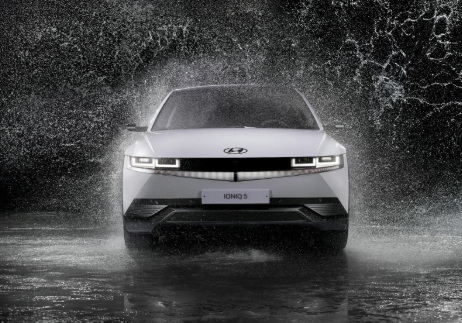
Hyundai Ioniq 5 parked in the rain.

2025 Hyundai Kona Electric vs 2025 Hyundai Ioniq 5 N

As electric vehicles (EVs) continue to gain traction, Hyundai stands out with its versatile lineup that caters to a range of drivers. Among Hyundai's 2025 models, the KONA Electric and the IONIQ 5 N are two standout models that are top choices for potential EV buyers. The KONA Electric is a compact, affordable, and efficient SUV, while the IONIQ 5 N is a midsize crossover SUV with great performance. In this article, we explore the key differences between these two models and examine aspects such as performance, range, interior comfort, so you can decide which fits your lifestyle best. more What's New in 2025 for Hyundai KONA Electric and IONIQ 5 N? In 2025, Hyundai refreshed both the KONA Electric and the IONIQ 5 N to remain competitive in the evolving EV market. Here's a quick overview. KONA Electric 2025 Updates The 2025 Hyundai KONA Electric's latest model features a redesigned exterior and interior, sporting a sleeker and more aerodynamic profile with revised front and rear fascias, as well as new lighting elements. Hyundai's upgraded infotainment system also features a larger touch screen, additional connectivity, and driver assistance features for added convenience. The 2025 KONA Electric also offers improved battery management for enhanced range and efficiency. IONIQ 5 N 2025 Updates The 2025 IONIQ 5 N represents Hyundai's first high-performance EV. Hyundai's N division, known for its sports-oriented tuning, has enhanced the IONIQ 5 N with a powerful electric motor, responsive handling, and sporty design cues such as bold N-exclusive trims and larger wheels. The model also debuts Hyundai's new software updates for real-time performance tracking and customizable drive modes, letting you personalize the car's power, suspension, and throttle response. Detailed Pricing Analysis and Purchase Recommendations Here's a quick overview of both models' prices: KONA Electric 2025 For budget-conscious buyers, the KONA Electric is an excellent choice, balancing cost and features across its various trims: SE: $34,270 SEL: $38270 N Line: $39,670 Limited: $42,445 IONIQ 5 N 2025 With its new performance upgrades, the 2025 IONIQ 5 N is perfect for car enthusiasts who can appreciate the value that comes at a higher price point. Base: $67,495 EV Motor Specifications, Power, and Performance Comparison Both the 2025 Hyundai KONA Electric's and Hyundai IONIQ 5's performances cater to very different drivers. The KONA Electric's front-wheel drive system pairs with a single electric motor that delivers 201 horsepower and 291 lb-ft of torque to ensure smooth and efficient power delivery. The KONA Electric delivers solid acceleration without excessive power, reaching 0-60 mph in 6.4 seconds. In contrast, the 2025 Hyundai IONIQ 5 N's specs are perfect for thrill seekers, featuring a dual-motor setup and all-wheel drive to churn out more than 600 horsepower and an output of 545 lb-ft. This extra power also gives the IONIQ 5 N an edge in acceleration, reaching 0-60 mph in under four seconds. The 5 N also comes with a sport-tuned suspension and high-performance brakes to ensure agile handling and fast power delivery. Range, Charging Capabilities, and Battery Life Comparison The KONA Electric focuses on range and efficiency, while the IONIQ 5 N prioritizes rapid charging with a lower range. The KONA Electric has an estimated electric range of 274-300 miles on a single charge, covering daily commutes and some road trips. The battery size is around 64-70 kWh, and with its fast-charging capabilities, it can charge up to 80% in about 45 minutes at a DC fast-charging station. The IONIQ 5 N has a slightly shorter estimated range due to its performance tuning, clocking in at 250-275 miles per charge on an 82 kWh battery. However, it compensates with ultra-fast 800-volt charging technology, charging from 10% to 80% is about 18 minutes at a 350 kW DC fast-charging station. Living With an EV: Interior Comfort, Cargo Space, and Daily Usability The KONA Electric has a spacious interior with a comfortable cabin that fits up to five occupants. While it's a compact SUV, its efficient layout provides adequate legroom for passengers and a generous cargo space. Its updated user-friendly infotainment system also features a larger touch screen and Apple CarPlay and Android Auto compatibility. The IONIQ 5 N's cabin is more spacious and high-tech, with a longer wheelbase and luxurious materials. It also comes with a customizable digital cockpit and a large multimedia display. The IONIQ 5 N also has more cargo space than the KONA, making it a great choice for longer trips or for drivers who frequently haul larger loads. Safety First: Reviewing Driver-Assistance Features and Safety Ratings Both models come with sophisticated driver-assistance features, including: Forward collision warning Lane-keep assist Blind-spot monitoring Rear cross-traffic alert Smart cruise control with Stop & Go The IONIQ 5 N also introduces performance-oriented safety enhancements, maintaining the high safety standards epitomized by its predecessors. What's Next: Experience the Future of Hyundai EVs Choosing between the 2025 Hyundai KONA Electric and the IONIQ 5 N comes down to personal preference, whether you prefer affordability and practicality versus high performance and advanced technology. Visit us at Dublin Hyundai to learn more about these EVs and explore which models fit your driving needs. Contact us to schedule a test-drive and consult with our team about your financing options to start your electric journey today. Grayscale Photo of a Hyundai Ioniq 5 in the Rain by Hyundai Motor Group licensed with Pexels License Red Hyundai Kona parked on cobblestone street by Hyundai Motor Group licensed w Pexels License

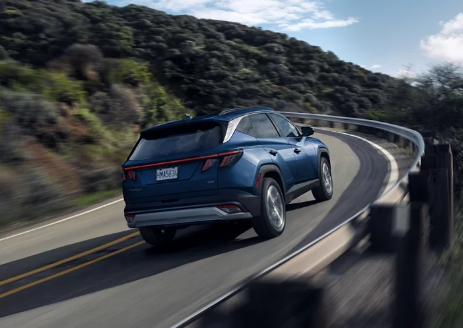
2025 Hyundai Tucson driving down a California highway.

2025 Hyundai TUCSON vs. 2025 BMW iX

An all-electric, hybrid, or plug-in hybrid car is a smart choice if you're looking for a futuristic, sustainable vehicle. Hyundai and BMW make eco-friendly luxury SUVS with powerful powertrains, refined interiors, and cutting-edge technologies. Read as we compare the 2025 Hyundai TUCSON and BMW iX to help you choose the best model for your daily Dublin, California, drive. more Trims, Design, and Aesthetics The Hyundai TUCSON and BMW iX SUVs offer an opulent driving experience with jaw-dropping exterior styling and upscale interior materials and accents. Exterior Design Each SUV has distinctive exterior styling that sets it apart while holding to the auto brand's design philosophy of elegance and understated sophistication. Hyundai TUCSON The TUCSON is a midsize SUV with contemporary styling, including a unique front grille with LED lights, multispoke wheels, and sculpted door panels. The 2025 Hyundai TUCSON Hybrid comes in four trims: the Blue, SEL Convenience, N Line, and Limited. The TUCSON Plug-In Hybrid has two trims: the SEL and Limited. BMW iX The BMW iX is an all-electric luxury SUV and is one of the best electric SUVs for 2025. You'll notice the unique dual kidney-shaped front grille inserts, dropped fascia, and slim LED headlights. BMW offers the iX in two trims: the xDrive50 and M60. Interior Luxury and Comfort Features As you'd expect from luxury auto brands, the TUCSON and BMW iX come with refined interior touches and eco-friendly materials that don't compromise comfort and convenience. Hyundai TUCSON This modern SUV has two rows of seats that comfortably fit up to five people. Seating surfaces range from H-Tex to full leather, depending on the trim. Attractive features include power-adjustable heated and ventilated front seats and heated rear seats. BMW iX This two-row SUV offers comfortable seating for up to five people. Heated front seats and optional eco-friendly textile seat fabric add to its appeal. Innovations in User Interface and Technology Hyundai and BMW continue to create innovative technology features that enhance the driving experience and elevate safety. Hyundai TUCSON The 2025 TUCSON comes with the latest multimedia interface and technology. It has a 12.3-inch touch screen (with some trims offering onboard navigation and dynamic voice recognition) and Android Auto and Apple CarPlay smartphone integration. The upper trims have a premium Bose sound system and mood-sensing ambient lighting. BMW iX BMW's new iDrive 8.5 multimedia system has a 14.9-inch display and wireless Apple CarPlay and Android Auto smartphone integration. The iX has an 18-speaker Harmon Kardon sound system and a Wi-Fi hot spot. Connected Services and Unique Technologies Connected services let you access your vehicle remotely for convenience and safety. Hyundai TUCSON Hyundai's Bluelink Connected Car Service, Bluelink+ Basic Package, and Bluelink+ Advanced Package keep you and your passengers connected. You get roadside assistance, vehicle information reports, and remote access to your vehicle. BMW iX The iX's cloud-based system can provide navigation, locate nearby charging stations, and enable remote software updates. Performance, Power, and Handling The Hyundai TUCSON and BMW iX have impressive power and offer smooth and agile handling. Hyundai TUCSON Under the hood of the TUCSON Hybrid, a 1.6-liter four-cylinder turbocharged engine/motor combination delivers 231 horsepower and 271 lb-ft of torque. The Plug-In Hybrid offers more horsepower and the same torque. A six-speed automatic transmission, Hyundai's HTRAC all-wheel-drive system, and several drive modes come standard across the TUCSON lineup. BMW iX The iX is a powerful vehicle. Two electric motors create 516 horsepower for the xDrive50 and a massive 610 horsepower for the M60 version. All-wheel drive is standard for both trims, with the option of an adjustable air suspension system and rear-wheel steering. Range Comparisons: Which Goes Farther? The 2025 BMW iX is an all-electric SUV, while the TUCSON uses an electric motor with a gas engine for power, with various driving ranges based on battery power. Hyundai TUCSON The TUCSON Plug-In Hybrid can get up to 33 miles of all-electric driving range, while the hybrid version can get about five miles of all-electric driving range between charges. Both TUCSON models have a combined fuel efficiency of 35 mpg. BMW iX The xDrive50 has a driving range from 302 to 309 miles, and the M60 can travel up to 285 miles between charges. Charging and Infrastructure Support The Hyundai TUCSON Plug-In Hybrid and BMW iX require a Level 1 home or Level 2 network charging station. Hyundai TUCSON Charging times for the TUCSON Plug-In Hybrid range from two to six hours, depending on your charging station and configurations. You can set up a Level 1 charging station at home or use the national network to recharge the plug-in hybrid. BMW iX When connected to a DC fast charging system, the BMW iX can recharge from 10% to 80% in about 35 minutes. When traveling, iX owners can use the EVgo network of charging stations nationwide. Pricing and Value The Hyundai TUCSON Hybrid and Plug-In Hybrid and the BMW iX are premium SUVs that bring outstanding value to drivers in Dublin, California. Hyundai TUCSON The TUCSON Hybrid has an MSRP ranging from $33,365 to $41,195. The TUCSON Plug-In Hybrid starts at $41,025 for the SEL trim and $48,735 for the top Limited trim. BMW iX Choose the xDrive50 model with a starting MSRP of $87,250 or the M60 at $111,500. Safety and Assistance Systems Powerful SUVs such as the TUCSON and iX offer advanced safety systems that provide peace of mind for daily Dublin commutes. Hyundai TUCSON The TUCSON comes with the Hyundai SmartSense suite of driver-assist features, including the following: Forward collision warning with automatic emergency braking Blind-spot collision warning with rear cross-traffic assist Lane mitigation Driver attention warning Automatic high-beam headlights BMW iX BMW gives the iX a bundle of driver-assist features that includes the following: Blind-spot detection Lane departure warning Highway assistance with active lane change Automatic emergency braking with pedestrian detection Adaptive cruise control Learn More About the 2025 Hyundai TUCSON and Take One for a Test-Drive Are you excited to learn more about the 2025 Hyundai TUCSON Hybrid and Plug-In Hybrid? Our team at Dublin Hyundai invites you to contact us to learn more about this modern SUV's innovative features. See how well it drives and handles by scheduling a time to take the TUCSON Hybrid or Plug-In Hybrid for a test-drive with one of our professional sales team members.

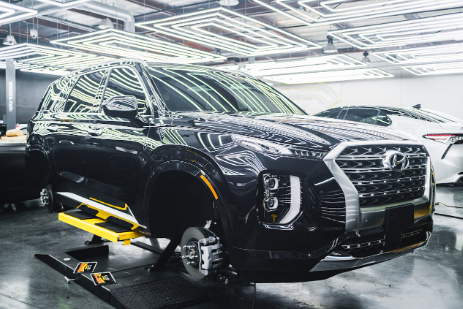
Black Hyundai Palisade getting service in Dublin, CA.

Why Choose OEM Hyundai Parts?

When it comes to maintaining your Hyundai, choosing the right parts makes a significant difference. Opting for original equipment manufacturer (OEM) parts ensures top-quality performance and longevity. Unlike aftermarket alternatives, OEM parts are specifically crafted to fit your vehicle perfectly. Though cheaper options may seem appealing, OEM parts are often more reliable than aftermarket options. At Dublin Hyundai, we're dedicated to offering expert service and genuine parts that help your car deliver its best performance. more Advantages of Using Hyundai OEM Parts Choosing the right parts for your Hyundai can affect the longevity and performance of your vehicle. While aftermarket parts may seem appealing due to their lower price tags, they often fail to match the quality and precision of OEM components. There are multiple advantages to using OEM parts. Fit and Compatibility Hyundai's engineers design OEM parts to match the exact specifications of your specific model and year, ensuring a perfect fit without any modifications or adjustments. On the other hand, aftermarket parts are often mass-produced for multiple vehicles, leading to potential compatibility issues. With OEM parts, you eliminate the guesswork. Quality and Durability OEM parts from Hyundai undergo rigorous testing during production to meet high-quality standards. Built with premium materials, these parts last longer and reduce the chance of failure. In contrast, aftermarket components may use inferior materials, leading to quicker wear and tear and additional repair costs. Warranty Coverage Using OEM parts helps maintain your vehicle's warranty. Aftermarket parts could void the warranty if they lead to damage or malfunction. Hyundai's OEM warranty means you can rest easy knowing any part installed is covered for defects or issues, offering long-term confidence in your vehicle. Enhanced Performance OEM parts are optimized for performance. Whether it's a brake pad, air filter, or engine component, each part works in harmony with the other components in your vehicle. This ensures smooth functionality and peak efficiency, something aftermarket parts can't always guarantee. If you want to keep your Hyundai in top shape, choosing OEM parts is a wise investment in safety and value. The Impact of OEM Parts on Safety Every part plays an essential role in protecting you and your passengers. OEM Hyundai parts meet the stringent safety standards set by Hyundai and the National Highway Traffic Safety Administration. Using OEM components ensures your car's crucial safety features — such as airbags, braking systems, and sensors — continue to work at their highest capacity. Aftermarket parts may not meet the same rigorous standards. They're generally designed to fit multiple vehicles, which can compromise functionality. A poorly fitting part could interfere with essential safety features or fail under stress, posing significant risks during an emergency. OEM parts also work seamlessly with your vehicle's existing systems, ensuring no conflicts in how those systems operate. Everything from brake pads to windshield wipers is crafted specifically for your Hyundai model. If you want to know that every component in your vehicle is working as intended to prioritize safety, OEM parts are the clear choice. Don't risk cutting corners with parts that keep you safe on the road. Why OEM Parts Are a Better Long-Term Investment Opting for OEM Hyundai parts can extend the life of your vehicle, as aftermarket components often fail to deliver the same quality and dependability. Investing in OEM parts goes beyond the immediate repair; it sets your vehicle up for long-term success. Avoid Costly Repairs and Replacements Because aftermarket parts are often mass-produced to fit multiple vehicles, they lack the precise engineering of OEM components. This can result in poor fit and performance, leading to a higher likelihood of wear and tear. Over time, using lesser-quality parts can cause more significant damage to other systems in your vehicle. While aftermarket parts may seem cheaper upfront, you could spend more on repairs and replacements. Protect Your Vehicle's Resale Value OEM parts help preserve your vehicle's resale value. When it's time to sell your car, buyers are more likely to trust a vehicle maintained with genuine Hyundai parts. Aftermarket components can raise concerns about quality and reliability, potentially lowering your car's value. By using OEM parts, you retain the integrity of your vehicle, making it more attractive to future buyers. Maintain Warranty Coverage One significant advantage of choosing OEM Hyundai parts is the superior warranty coverage that comes with them. With OEM components, you're less likely to face out-of-pocket expenses if a part fails under normal use. Aftermarket parts often don't offer comparable warranties, leaving you on the hook for repair costs if something goes wrong. In the end, while aftermarket options might save you a few dollars initially, OEM Hyundai parts provide longer-lasting value. They guarantee performance, protect your investment, and save you from unnecessary expenses over time. The Scope of Hyundai's Warranty for OEM Parts OEM Hyundai parts have a comprehensive warranty. Hyundai stands behind its parts, offering a 12-month or 12,000-mile limited warranty on all genuine replacement parts and accessories. This covers any defects in materials or factory workmanship under normal driving conditions. If an OEM part fails during this time, it can be repaired or replaced at no cost to you. Parts installed by authorized Hyundai dealers are also covered for defects that occur during regular use. But even if you purchase a genuine part and install it yourself or at an independent shop, you're still protected by Hyundai's 12-month warranty. Accessories are also covered under Hyundai's warranty. If installed before your vehicle's first use, they fall under the five-year or 60,000-mile New Vehicle Limited Warranty. For accessories added later, the same 12-month or 12,000-mile coverage applies. How To Purchase Genuine Hyundai OEM Parts at Dublin Hyundai Ordering genuine Hyundai OEM parts is quick and straightforward with Dublin Hyundai. You can easily find what you need by visiting our online parts order page, which allows you to select the exact components for your vehicle. Our knowledgeable staff is always ready to help with any questions, so feel free to contact us. Whether replacing worn-out parts or upgrading your ride, we'll get you the right fit every time. Don't settle for less; trust genuine parts for reliability and long-term performance. Black Hyundai Palisade Car in a Garage by jae p is licensed with Pexels License

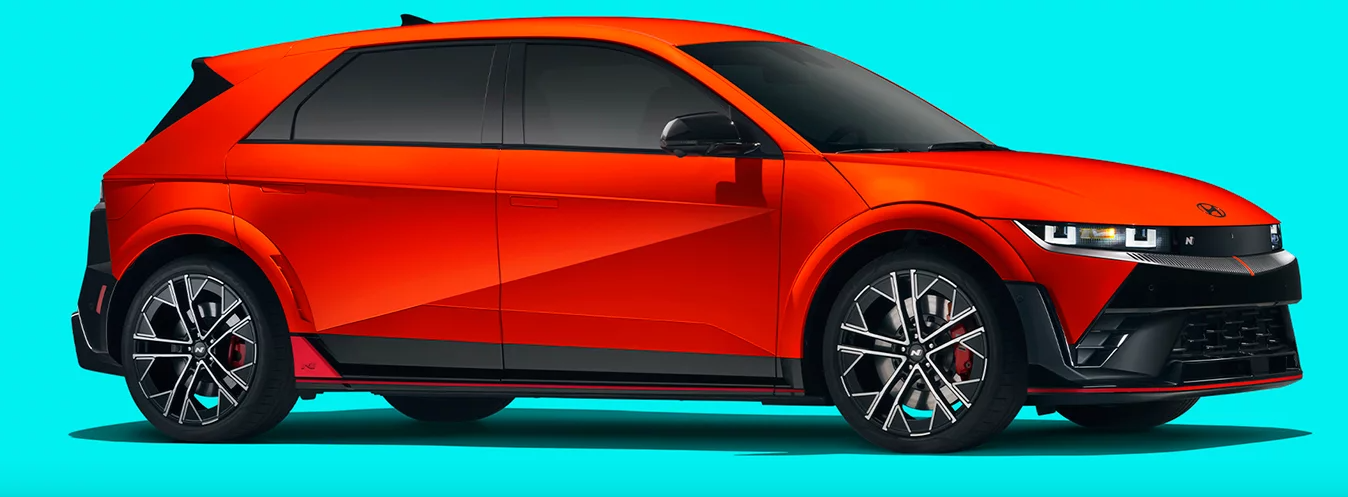
2025 Ioniq 5 N in orange paint against a blue cyan background.

2025 Hyundai Ioniq 5 N Overview

Hyundai's amped up the appeal of its electric IONIQ 5 with the release of a high-performance version, the IONIQ 5 N. Fresh for the 2025 model year, this head-turning electric vehicle (EV) busts the myth that a sustainable car can't deliver serious power. Let's take a closer look at the hottest new EV on the market: the 2025 Hyundai IONIQ 5 N. Impressive Performance A pair of robust electric motors power the 2025 Hyundai IONIQ 5 N. Their standard output of 601 horsepower is already impressive, but the N Grin Boost feature temporarily bumps that up to 641 horsepower when you need some extra muscle. The all-wheel-drive system channels most of the performance to the front or rear wheels, depending on your driving needs. There are four different driving modes — Eco, Normal, Sport, and N — that automatically adjust the steering weight, throttle sensitivity, and damping for various driving styles. You can also activate Endurance mode to preserve the battery life or Sprint mode for maximum power. There's even a Drift mode for epic sliding action. Whatever option you choose, the IONIQ 5 N handles it like a dream. It might not be one of the gas-guzzling high-performance vehicles of old, but the simulated gearshift feature helps it feel like one. And if the feature isn't your style, you can easily disable it. Vehicles rarely outperform the manufacturer's expectations, but the IONIQ 5 N does just that. During independent testing, it reached 0 to 60 mph in just 3 seconds, which is 0.3 seconds faster than Hyundai's estimate. It also covered a quarter mile in just 11.1 seconds. Eye-Catching Good Looks No one buys a performance vehicle simply because they want to go fast. Most people never get the chance to push these kinds of cars to their limits, so styling might be even more important than capability. Hyundai delivers on that score by adding athletic hardware and making its advanced model longer, lower, and broader. From the sporty nosepiece to the large diffuser and wide fenders at the back, it cuts a striking figure. Hyundai has also increased the wheel size from 18 inches to 21 inches to enhance performance and give the IONIQ 5 N a more imposing presence. Fantastic Range and Fuel Economy The EPA estimates that the IONIQ 5 N's 84.0 kWh battery pack has a mixed driving range of 221 miles per charge. It'll recharge on a DC connection at up to 238 kW in about 20 minutes. EPA projections for fuel economy suggest you'll get 84 MPGe in the city and 72 MPGe on the highway. In real-world conditions, testers have reported getting 69 MPGe, which is still impressive for a performance vehicle. Ultimate Interior Comfort The IONIQ 5 N's cabin mirrors the standard IONIQ 5 but adds a touch of flair. Extra padding in the front seats provides you with support during cornering at high speeds. Intuitive buttons on the steering wheel help you access the different driving modes and unique high-performance features. Like the traditional IONIQ 5, the flat floor optimizes the space for passengers and cargo. Its wheelbase is longer than that of its competitors, giving front and rear passengers more legroom than they might expect. The rear seats also fold down to more than double the available cargo space. Hyundai has added several performance-oriented features to the N's interior to enhance the driving experience. A set of aggressively bolstered front seats help hold you in place during high-speed cornering and a unique steering wheel features buttons to access the SUV's drive modes, regenerative braking levels, and the N Grin Boost feature. You can expect to see an identical amount of passenger and cargo space as the standard IONIQ 5, which held a maximum of 20 carry-on suitcases inside with the rear seats folded during testing. Top Technology on Board Just like the standard IONIQ 5, the 5 N features a large 12.3-inch infotainment touch screen and a matching 12.0-inch digital gauge cluster. The infotainment system wirelessly integrates with Apple CarPlay and Android Auto, allowing you to easily access all your favorite functions, including smartphone contacts, navigation and maps, and playlists. Your smartphone also becomes a digital key for unlocking doors and starting your vehicle. If you can bear to let someone else take a turn in the driver's seat, you can text them your digital key for instant access. The premium Bluelink+ connected car service is complimentary with your IONIQ 5 N. This service lets you remotely schedule or control charging, activate climate control, lock and unlock your doors, and much more. Superior Safety Credentials Hyundai packs the IONIQ 5 N with security aspects to help you manage all the available power. It includes an incredibly comprehensive version of Hyundai's SmartSense safety suite, which boasts a host of helpful features, including: Forward collision-avoidance assist enhancements Highway driving assist 2 Smart cruise control with stop and go Navigation-based smart cruise control and curve control Driver attention warning Lane-keeping assist Lane following assist Blind-spot view monitor Surround view monitor Safe exit assist Rear occupant alert Blind-spot collision-avoidance assist High-beam assist Rear cross-traffic collision-avoidance assist Reverse parking collision-avoidance assist While Hyundai SmartSense can never replace your own attentive driving, it can provide real peace of mind when you're driving a dynamic vehicle such as the IONIQ 5 N. Think of these features as a diligent copilot, acting as an extra set of eyes and hands to help you avoid danger and keep you, your loved ones, and other road users safe on the roads around Dublin, California. Experience the New 2025 Hyundai IONIQ 5 N at Dublin Hyundai The 2025 Hyundai IONIQ 5 N has impressive specifications, but you won't truly appreciate its performance credentials until you get behind the wheel. Come take the 2025 Hyundai IONIQ 5 N for a spin at Dublin Hyundai. Our friendly team would love to introduce you to this EV and help organize your test-drive. Simply visit our local dealership or contact us online to schedule a time to explore this high-performance EV.

Woman holding up the keys to her new Hyundai vehicle.

Is Now a Good Time To Buy a New Car?

Daydreaming about a brand-new Hyundai cruising the streets of Dublin? You're not alone. But with ever-changing market dynamics, the question of "Is now a good time to buy a new car?" can be a head-scratcher. Here at Dublin Hyundai, we understand your desire to make an informed decision. This guide explores key factors to consider, from deciphering market trends to leveraging smart shopping strategies. Buckle up, and let's navigate the road to your perfect car purchase. Understanding the Current Car Market Dynamics The car market is constantly evolving. Over the past few years, we've seen notable trends in new car sales and pricing. Due to global events, such as the pandemic, car availability and prices have been affected significantly. New car production saw slowdowns, leading to higher prices. Concurrently, the used car market also experienced a surge in prices due to increased demand and limited new car inventory. Understanding these market dynamics is crucial in making an informed decision. Decoding the Best Times To Buy a New Car Timing is everything when it comes to buying a new car. Here are some key periods to consider: Seasonal deals and promotions: Certain times of the year offer better deals. For instance, the end of the year is often touted as the best time of the year to buy cars, as dealers look to clear out older models to make room for new inventory. Model year-end sales: At the end of a model year, dealerships like ours at Dublin Hyundai offer significant discounts on outgoing models. Holiday sales: Major holidays, such as Memorial Day, Labor Day, and Black Friday, often come with promotional deals. Weekdays versus weekends: Dealerships are typically less busy during weekdays, which might give you more room to negotiate. Incentives and Financing: Leveraging Opportunities Taking advantage of current incentives and financing options can save you a substantial amount: Low annual percentage rate (APR) offers and lease deals: Many manufacturers offer low APR financing or attractive lease deals as we approach year-end sales. For example, qualified buyers can get some models with 0% financing. Incentives to optimize your purchase: Rebates, loyalty bonuses, and special financing rates are just a few examples of incentives that can reduce your overall cost. When Is the Right Time To Buy a Used Car? Here are some key factors to consider when deciding the right time to make your purchase: End of the month/quarter: Dealerships often have sales targets to meet. Buying at the end of the month or quarter can lead to better deals as salespeople are more motivated to negotiate. Holiday sales events: Major holidays, such as Black Friday, Memorial Day, and New Year's, often come with significant discounts and promotions on used cars. Off-season: Buying a car during the off-season, such as winter, can sometimes result in lower prices due to decreased demand. Personal financial readiness: Ensure you're financially prepared, with a good credit score and a clear budget, to take advantage of financing options and negotiate better terms. Innovative Car Buying Strategies In today's dynamic market, buying a car requires more than just visiting a dealership. Here are some innovative strategies to help you get the best deal and make an informed decision: Online marketplaces: Utilize platforms, such as Carvana or Autotrader, to compare prices, read reviews, and even purchase a car online. These platforms often offer home delivery and return policies. Certified pre-owned (CPO) programs: The manufacturer inspects and refurbishes CPO cars, offering a balance between a new and used car with extended warranties and guarantees. Auction sites: Participate in online car auctions or local auction houses. This can be a way to find unique deals, though it requires careful research and sometimes a bit of luck. Negotiation apps: Leverage apps, such as TrueCar or Edmunds, to get upfront pricing information and negotiate better deals. Trading In or Selling Your Old Car: Best Practices Deciding whether to trade in or sell your old car can significantly impact your finances. Here are some best practices to ensure you get the most value out of your vehicle: Research market value: This will give you a negotiation baseline and help you set a realistic price. Clean and repair: A well-maintained car can fetch a higher price. Consider doing minor repairs and detailing to enhance its appeal. Get multiple quotes: If trading in, visit several dealerships to get multiple trade-in quotes, as this can help you negotiate a better deal. For selling, list your car on multiple platforms, such as Craigslist, Facebook Marketplace, and Autotrader. Negotiate smartly: Use your research and quotes to justify your asking price. Be firm but flexible to close the deal. The Future Outlook: What Car Buyers Can Expect As the automotive industry continues to evolve, car buyers can look forward to several exciting developments that promise to reshape the driving experience. Here are some key trends and changes to anticipate: Autonomous vehicles: Self-driving cars are becoming more advanced, with many companies investing heavily in autonomous technology. This trend will likely revolutionize transportation by enhancing safety and convenience. Connected cars: Vehicles now often have internet connectivity, allowing for real-time updates, remote diagnostics, and enhanced infotainment systems. Growth of electric vehicles (EVs): The shift toward EVs is accelerating, driven by advancements in battery technology and increasing environmental awareness. Financial Considerations for Prospective Buyers When considering purchasing a car, it's crucial to evaluate your financial situation and understand how various factors can impact your decision. Here are some key financial considerations if you're planning to buy a new car: Budget evaluation: Ensure you have enough funds for a down payment and can comfortably manage monthly payments without straining your finances. Credit score check: A higher score can secure better financing options, so it's wise to check and improve your credit score if necessary. Loan comparison: Interest rates vary between lenders, so compare different loan offers to find the most favorable terms. Fixed versus variable rates: Fixed rates provide stability with consistent payments, while variable rates might start lower but can fluctuate, potentially increasing your costs over time. Make Your Move Today As you weigh whether now is a good time to buy a new car, consider all these factors carefully. The current market offers unique opportunities that could benefit you as a buyer. If you're ready to explore options or have questions about purchasing a vehicle in Dublin, California, or beyond, visit us at Dublin Hyundai. Our team can help get you into a new car that fits your needs perfectly. Woman in Black Blazer Standing Beside Black Car by Antoni Shkraba is licensed with Pexels License

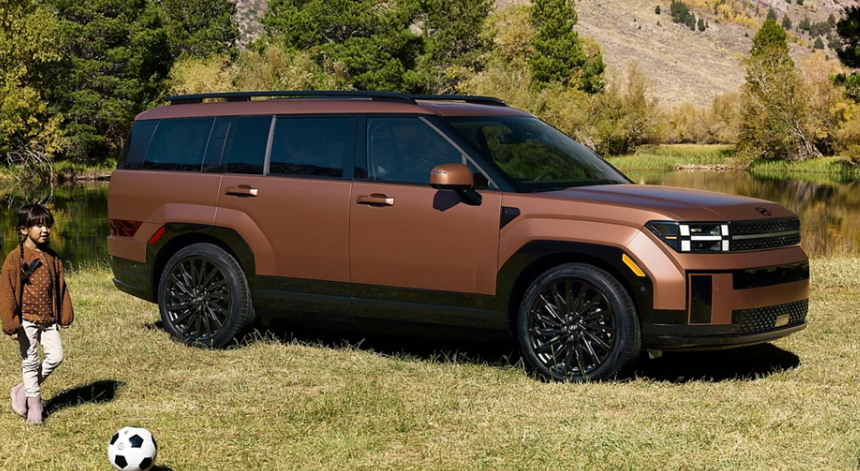
2025 Hyundai Santa Fe in brown paint parked in a field in Dublin, CA.

2025 Hyundai Santa Fe Trim Levels

The Hyundai SANTA FE has long been a favorite for families and adventurers alike. This midsize SUV combines style, performance, and comfort. For 2025, Hyundai has introduced several updates that make the SANTA FE even more appealing. Our team at Dublin Hyundai created this article to walk you through the 2025 SANTA FE trims, including their unique features and pricing, and compare the latest iteration to its 2024 predecessor to help you choose the model that best suits your lifestyle and budget. 2025 Hyundai SANTA FE Trim Options Hyundai offers the 2025 SANTA FE in five distinct trims — the SE, SEL, XRT, Limited, and Calligraphy — each catering to various driver preferences. Whether you're looking for basic functionality or high-end luxury, the 2025 SANTA FE has options to fit your needs. The SEL, Limited, and Calligraphy trims are also available as hybrids, offering more fuel-efficient alternatives. 2025 Hyundai SANTA FE vs. 2024 Model Comparison The 2025 Hyundai SANTA FE builds upon the success of the 2024 model, featuring several noteworthy upgrades. Exterior Design and Features The 2025 model's larger front grille, reimagined LED headlights, and sharper body lines give it a modern look and bolder road presence. Hyundai has redesigned the SUV's backend, adding sleeker taillights and a restyled, sculpted bumper. While the 2024 model has a boxy silhouette, the 2025 model boasts a more rugged, aggressive stance. Interior Enhancements and Tech Upgrades Hyundai has upgraded the SUV's interior with premium materials, especially in the higher trims, where you'll find high-quality leather, soft-touch surfaces, and ergonomic enhancements. The 2025 model includes an upgraded infotainment system, which now comes with a standard 12.3-inch touch screen instead of the 10.25-inch display in the 2024 version. Performance and Engine Options The 2024 and 2025 SANTA FE models feature a 2.5-liter turbo I-4 engine with 277 horsepower and 311 lb-ft of torque. Both SUVs offer a refined driving experience in various conditions, particularly on the highway. Like the 2024 variants, the 2025 hybrid options retain the turbocharged engine and add an electric motor. In-Depth Analysis of Each Trim Level Each of the 2025 SANTA FE trims boasts an array of unique and exciting features. SE: Standard Features and Value Proposition The 2025 SANTA FE SE comes with the standard I-4 turbo engine and an eight-speed wet dual-clutch transmission with SHIFTRONIC. Front-wheel drive is standard, but you can opt for Hyundai's advanced traction all-wheel-drive system, which it dubs HTRAC AWD. Exterior styling elements of the SE include 18-inch alloy wheels and LED headlights. The cabin accommodates seven people and features YES Essentials stain-resistant cloth seats, 60/40-split fold-flat seats with a recline function and adjustable head restraints, and 50/50 sinking/folding third-row seating. Tech highlights include a 4.2-inch color multi-information display, wireless Apple CarPlay and Android Auto, four high-power USB charge ports, and Bluetooth connectivity. SEL: Midrange Upgrades and Additions Upgrades on the 2025 Hyundai SANTA FE SEL trim include Hyundai Digital Key 2, an eight-way power driver seat, and heated front seats for added comfort. Heated side mirrors with LED turn-signal indicators enhance visibility and safety, while roof rails increase versatility. Wireless charging for supported devices brings added convenience. XRT: Off-Road Capabilities and Esthetics The SANTA FE XRT offers enhanced off-road capabilities, featuring HTRAC AWD as standard, an additional 1.3 inches of ground clearance, all-terrain tires, and an upgraded maximum towing capacity of 4,500 pounds. Its distinguishing elements include XRT-exclusive badging, unique 18-inch dark finish wheels, a distinctive front grille design, blacked-out lower fascias, side moldings with side steps, roof rails, and body-colored door handles. Limited: Luxury Features and High-End Comforts The limited trim elevates luxury with high-end features, such as leather-trimmed seating, heated and ventilated front seats, heated rear seats, and a heated steering wheel. Its advanced technologies include a 12-speaker Bose audio system and a 12.3-inch digital instrument cluster. Additional comforts include a dual-pane sunroof, a six-way power-adjustable front passenger seat, and an integrated memory system for the driver seat. Calligraphy: Top-Tier Amenities and Exclusive Styling The 2025 Hyundai SANTA FE Calligraphy offers outstanding luxury and exclusive styling features. Its high-end amenities include nappa leather-trimmed seating, a 12-inch head-up display, dual wireless device charging, a driver seat leg cushion extension, second-row captain's chairs, an eco-suede microfiber headliner, power windows, and a camera-based rearview mirror. Distinctive 21-inch dark finish alloy wheels and unique exterior elements ensure the Calligraphy demands attention on the road. Safety Features Across Trims Hyundai SmartSense is standard across the 2025 SANTA FE lineup. This suite of safety features includes forward collision-avoidance assist with pedestrian, cyclist, and junction turning detection, lane-keeping assist, and blind-spot collision-avoidance assist. The Limited and Calligraphy add a blind-spot view monitor, forward, side, and reverse parking distance warning, remote smart parking assist, and a surround-view monitor for enhanced protection and convenience. 2025 Hyundai SANTA FE Price by Trim Level These are the starting MSRPs for each of the 2025 Hyundai SANTA FE trims: SE: $34,200. SEL: $36,700. XRT: $40,850. Limited: $43,600. Calligraphy: $46,750. SEL Hybrid: $37,200. Limited Hybrid: $44,100. Calligraphy Hybrid: $47,250. Choosing Your SANTA FE Trim The 2025 Hyundai SANTA FE offers something for everyone, whether you're looking for a practical family SUV, a rugged off-road explorer, or a comfortable daily driver. The SEL provides all-around value with its fantastic combination of features and affordability. If you prioritize luxury, the Calligraphy delivers unparalleled style and comfort. No matter which trim you choose, the 2025 SANTA FE is sure to impress. Visit our Dublin Hyundai dealership today to test-drive the SANTA FE. You can explore our wide selection of new models and contact us with any questions. We're here to help you find the perfect vehicle.

Two gourmet pizzas on a table of a Dublin, CA pizza shop.

Best Pizza Restaurants in Dublin, CA

Dublin, CA, offers a vibrant and diverse culinary landscape, especially for pizza enthusiasts. Whether you're craving traditional styles or seeking unique gourmet creations, Dublin’s pizza scene has something for everyone. From family-friendly spots to intimate dining experiences, these pizzerias cater to a wide range of tastes and preferences. more Top-Rated Pizza Places in Dublin, CA Signature Styles and Flavors Much Ado About Pizza: Known for its artisanal sourdough crusts and high-quality toppings, this pizzeria is a standout in Dublin. With outdoor seating and a customizable menu, it’s a local favorite. Zachary's Chicago Pizza: Famous for its deep-dish pizza, Zachary’s brings authentic Chicago flavors to the Bay Area. Their crispy crusts and hearty fillings make it a must-try for pizza lovers. Pizza My Heart: Offering an array of vegan and gluten-free options, Pizza My Heart provides a fresh take on California-style pizza with creative toppings and thin crusts. Award-Winning Pizzerias Tandoori Pizza: This pizzeria offers an innovative fusion of Indian flavors with classic pizza, creating bold and delicious combinations. Try their Desi Garlic Sticks and Mango Lassi for an unforgettable meal. Curry Pizza House: Known for its flavorful fusion pizzas, Curry Pizza House merges traditional Indian spices with classic toppings, creating unique and memorable dishes. Exploring Unique Pizza Varieties From Classic to Gourmet Creations San Ramon’s Big Apple Pizza: Specializing in New York-style pizza, Big Apple Pizza offers a taste of the East Coast with large slices and a variety of toppings. Patxi's Pizza: Offering both deep-dish and thin-crust pizzas, Patxi’s delivers rich flavors with high-quality ingredients, making it a great spot for both casual and special dining occasions. The Art of Pizza Making in Dublin Dublin’s pizzerias pride themselves on combining traditional pizza-making techniques with modern twists. From hand-tossed dough to innovative flavor combinations, these pizzerias offer a mix of old-world craftsmanship and contemporary culinary artistry. Supporting Local: Dublin’s Pizza Community Supporting local pizzerias strengthens the community and contributes to the thriving local economy. Many of these establishments are family-owned and participate in community events and fundraisers, making every pizza purchase an investment in the local spirit. Must-Try Dishes at Each Location From traditional pizzas to unique culinary creations, Dublin’s pizzerias offer much more than just pizza. Be sure to explore their full menus, which often include wings, salads, and indulgent desserts. Dublin, CA, is a paradise for pizza lovers, offering everything from traditional favorites to creative fusion options. Whether you’re looking for a casual meal with friends or a special dining experience, Dublin’s pizza scene has something for everyone. And when you're out and about, don’t forget to stop by Dublin Hyundai for a great ride to complete your culinary adventure! Photo by Natasha Reddy on Unsplash

Introduction to the Hyundai SONATA Infotainment System

Hyundai SONATA Infotainment System Guide

Car technology has improved dramatically since the basic radios of the 1950s. The Hyundai SONATA's state-of-the-art multimedia interface is a great example of the possibilities you can unlock with modern tech. The SONATA's infotainment system combines high-tech features with intuitive design, providing you with a wide range of entertainment options, spot-on navigation, and intelligent connection choices. more Introduction to the Hyundai SONATA Infotainment System The 2024 Hyundai SONATA's multimedia interface revolutionizes your driving experience, featuring a 12.3-inch infotainment touch screen that delivers crisp visuals and intuitive functionality. You can connect your phone wirelessly using Android Auto or Apple CarPlay. The Hyundai SONATA comes standard with a six-speaker sound system. A Bose sound system is standard in the N Line and Limited and optional for the SEL; its 12 speakers have exceptional audio quality. Voice control functionality enhances safety as you drive. Navigating the Interface Prioritizing user-friendliness, the Hyundai SONATA's infotainment setup puts ease of use first. You can control it with your voice, keeping your eyes on the road, and you can customize the main screen with your top picks for quick use. The split view means you can see your route and choose songs at the same time. The large digital infotainment screen shows details key to driving around Dublin, California. A high-resolution 12.3-inch touch-screen navigation system is optional in the SEL and included in the N Line and Limited for enhanced functionality, putting turn-by-turn directions directly on the dash. It's much easier than navigating with a phone. The Hyundai SONATA's infotainment features include touch controls, voice capability, and old-school buttons to ensure your safety and satisfaction. The interface's intelligent design caters to different preferences using advanced technology and straightforward controls, making it intuitive to use, even if you're not tech-savvy. Customizing Your Home Screen You can customize the home screen in your Hyundai by selecting the Edit Left Widget or Edit Right Widget options under the home screen menu. You can also manage widgets by pressing and holding those you want to change. Selecting Edit Home Icons from the menu lets you choose the icons that'll appear at the bottom of the screen, creating a personalized experience for every driver. Connectivity Features The Hyundai SONATA incorporates state-of-the-art connectivity features that link you to the digital world while driving. Bluetooth, Apple CarPlay, and Android Auto Integration Your smartphone syncs wirelessly with Apple CarPlay and Android Auto, giving you easy access to essential apps and services. The Bluetooth setup ensures your calls come through loud and clear, and there are four USB ports, two in front and two in the back, to keep your devices charged as you cruise. These ports transitioned to USB-C beginning in 2024. The SONATA also has wireless charging capability in the front console. Hyundai's Bluelink Connectivity With the Hyundai Digital Key, your compatible smartphone turns into a virtual key with just a tap. The Bluelink Connected Car System, free for three years, lets you remotely start your vehicle and tweak its cabin temperature with your mobile device before stepping out the door of your Dublin home. The infotainment interface also provides dual Wi-Fi and its own SIM card. This means you get solid internet connectivity without consuming your smartphone's data. Entertainment Options The Hyundai SONATA's infotainment system impresses with its wide range of audio choices. Streaming Music and Podcasts For streaming enthusiasts, the system links to your favorite services through your phone. The SONATA's got you covered whether you're into Spotify, Apple Music, or other services. You can listen to streaming options such as audiobooks and podcasts with Apple CarPlay and Android Auto. AM/FM, Satellite Radio, and USB Media Sirius XM Satellite Radio is standard on all SONATAs now; Hyundai offers a free three-month trial, giving you tons of ad-free music, sports, and talk radio channels to enjoy. You can also enjoy your own music using USB media playback. Music lovers will appreciate the optional Bose premium audio system on some trims. Twelve intelligently placed speakers make your vehicle a great venue for listening to music. Navigation and Maps The SONATA offers many ways to manage your navigation needs, from its built-in system to its Bluelink functionality. Using the Built-In GPS You can send destinations from your smartphone directly to your vehicle using Hyundai Bluelink. The GPS functionality in the vehicle works as well as, or even better than, popular mobile apps. You can search for a location or point of interest from the Hyundai navigation menu, access previous and saved destinations, and search for Hyundai dealerships. You can also edit waypoints and check accident and construction zone alerts to streamline travel. Real-Time Traffic Updates The Hyundai SONATA's navigation system provides up-to-date traffic info through HD Radio, helping you avoid traffic jams and reach your destination on time. You can use your voice to set your route, keeping your hands on the wheel and your eyes on the road. Enhancing Your Driving Experience Once your SONATA is perfectly configured, it recognizes you. You can customize the sound, feel, and appearance to your preferences. Custom Driver Profiles and Settings To set up your profile, open the Setup menu from the All Menus screen and select User Profile. This functionality lets you set multiple driver profiles with different interfaces and preferences, providing a distinct driving experience for each lucky person who drives your SONATA. Sound System Adjustments For audiophiles, the sound customization options are stellar. Under Menus, select Setup, then Sound to adjust your SONATA's audio settings. You can adjust sound tuning and tone, manage radio noise, set system volumes, and more. Experience the Hyundai SONATA's Advanced Infotainment at Dublin Hyundai The SONATA's infotainment system shines. Its user-friendly interface and premium connectivity options set it apart, enhancing your journey with exceptional sound and intelligent navigation tools. These are just a few things that distinguish this sedan from its competitors. If you're curious about the SONATA and want to see it for yourself, come to Dublin Hyundai for a hands-on look. Hyundai Sonata commercial by Jerome Decq is licensed with Attribution 2.0 Generic

Hyundai steering wheel and dashboard close up photo.

Why Does My Car Make Noise When I Turn?

Hearing strange noises when you turn your car can be unsettling. These sounds might suggest underlying issues that could affect your vehicle's safety and performance. Understanding the causes of these noises and addressing them promptly is crucial for your peace of mind and the longevity of your car. Our team at Dublin Hyundai will help you explore the common reasons for car noises when turning the steering wheel, learn to diagnose the source of these sounds, and know the steps to take for repairs. more Understanding Steering Noises Knowing the noises that can emanate from your steering is essential for identifying and solving the problem. Common Types of Steering Noises When you turn your steering wheel, you may notice the following unfamiliar noises: Grinding: This often means a problem with the power steering system or worn steering components. Squealing: This usually suggests low power steering fluid levels or worn belts. Knocking: This sound may signal issues with the suspension or steering linkage. Reasons Your Car May Be Making Noise When Turning There are some reasons why your car makes noises when you make a turn. Low Power Steering Fluid A common cause of steering noises is low power steering fluid. This fluid is essential for lubricating the steering system and providing the hydraulic pressure for smooth steering. When levels are low, you may hear whining or grinding noises, as the pump works harder to move the steering components. Worn or Damaged Steering Components Worn or damaged steering components, such as the steering rack, tie rods, or bushings, can lead to various noises when turning. These worn parts may not function correctly, causing knocking or clunking sounds. Constant Velocity Joint Wear Constant velocity (CV) joints transfer power from the engine to the wheels while allowing for movement during turns. If these joints wear out, you may hear clicking or popping noises when turning. This noise often becomes more pronounced during sharp turns. Suspension Issues The suspension system plays a critical role in vehicle handling and comfort. Worn bushings, ball joints, or struts can lead to noise when turning. You might hear clanking or rattling sounds, implying that components aren't functioning as they should. Diagnosing Steering and Turning Noises Troubleshooting steering and turning noises isn't difficult if you know what to do. Below, we outline tips for identifying the source of abnormal steering sounds when you turn your vehicle. Tips for Identifying the Source To effectively diagnose steering noises, consider the following tips: Listen carefully: Pay attention to the type of noise and when it occurs (e.g., during slow turns, sharp turns, or at idle). Check fluid levels: Check your power steering fluid levels regularly to rule out low fluid as a cause. Inspect components: Look for visible wear or damage in the steering and suspension components. Test-drive your vehicle: Take your car for a test drive in various conditions to see if the noise persists. When To Seek Professional Help If you can't identify the source of the noise or if it becomes more pronounced, it's essential to consult a professional mechanic. They can provide an accurate diagnosis and recommend the required repairs. Ignoring steering noises can lead to more severe issues, so seek professional help quickly. How To Fix Common Steering Noises There are some strategies you can use to fix the common steering noise problems. Refilling and Replacing Power Steering Fluid If low power steering fluid is the issue, you can easily check and refill it. Locate the power steering fluid reservoir under the hood and ensure the fluid is at the proper level. If it's low, top it off with the recommended fluid type. If you need to refill frequently, it may suggest a leak that requires professional inspection. The reservoir cap usually has the name of the required fluid type. Replacing Worn Out Steering Components Replacing worn steering components typically involves: Identifying the worn components: Determine which components need replacement (e.g., tie rods, steering rack). Gathering tools: Ensure you have the required tools, such as wrenches and socket sets. Removing the old components: Carefully detach the worn components, following manufacturer guidelines. Installing the new parts: Secure the new components in place and ensure all connections are tight. If you're not comfortable performing these repairs, it's best to have a professional do the work. The steering rack can especially be tricky to work on. So consider your mechanical knowledge before attempting these repairs. Addressing CV Joint and Suspension Repairs For CV joint or suspension issues, the repair process may involve: Inspection: A thorough inspection of the CV joints and suspension components is necessary. Replacement: If you find worn components, replace the affected CV joint or suspension part. Alignment: After repairs, wheel alignment may be necessary to ensure proper handling. Preventive Measures to Avoid Steering Noises There are some measures that can help prevent steering noises. Regular Maintenance Checks Regular maintenance is vital for preventing steering noises. Schedule routine inspections to check fluid levels, steering components, and suspension parts. Keeping up with maintenance can help you catch problems before they escalate. Timely Repairs Addressing issues promptly can prevent further damage and more costly repairs down the line. If you notice any strange noises, don't wait — have them checked out. Timely repairs not only ensure your safety but also enhance your vehicle's performance and longevity. When To Worry About Steering Noises Regarding the noises from your steering assembly, there are some signs that would require your immediate action. Identifying Serious Issues While some noises may be benign, others can signal serious problems. These include the following: Loud or persistent noises: These could signal significant steering or suspension issues. Difficulty steering: If the steering feels stiff or unresponsive, seek help immediately, as that could mean a failed power steering pump. Unusual vibrations: These vibrations during turning can suggest worn components or alignment issues. Experience Expert Hyundai Service and Support at Dublin Hyundai Understanding and addressing car noises when turning the steering wheel is vital for maintaining your vehicle's safety and performance. Proactive maintenance and repairs can prevent further issues and improve your driving experience. At Dublin Hyundai, we're committed to providing you with expert service and support, ensuring your car runs at its best. If you experience any steering noises when turning, contact us today to schedule a service appointment. Our expert technicians are ready to provide a thorough diagnosis and ensure your vehicle's safety and performance. 2012 Hyundai Accent (USA) by loubeat is licensed with CC BY 2.0

Hyundai Cars with 3rd Row Seating

Hyundai vehicles with three rows of seating offer practicality and comfort. These models provide plenty of space for gear without sacrificing passenger volume. Whether you're heading out on a family road trip or need to shuttle kids and their friends to activities, Hyundai's third-row options offer the ideal solution. Read on to learn more about the benefits of Hyundai models with third-row seating and find the perfect match for your needs. Hyundai Models Featuring Third-Row Seating The two top Hyundai models with seven or eight seats are the Palisade and the Santa Fe. The Hyundai Palisade The Hyundai Palisade boasts an expansive interior, generous passenger legroom, and plenty of cargo space. This roomy SUV fits seven or eight people, depending on whether you opt for captain's chairs or bench seating. Some models, such as the Limited, come with power-folding rear seats for added convenience while accessing the back rows. The Hyundai Palisade's third-row features include 60/40-split seating that can lay completely flat, giving you plenty of options for cargo. The Versatile Hyundai Santa Fe According to our Hyundai Santa Fe third-row review, this vehicle is one of the best SUVs for families, offering exceptional flexibility and features. With its three-row seating, it comfortably accommodates seven passengers. The versatile interior includes easy-to-fold rear seats, which expand cargo space to handle large items and gear. The Santa Fe has advanced safety features, including adaptive cruise control, lane-keeping assist, and automatic emergency braking. It also boasts a user-friendly infotainment system with a touch screen, smartphone connectivity, and multiple USB ports. Hyundai Third-Row Legroom Comparison The two models have similar legroom figures. All values are in inches. Measurement Palisade Santa Fe Front legroom 44.1 in 41.4 in Second-row legroom 42.4 in 42.3 in Third-row legroom 31.4 in 30.0 in Advantages of Third-Row Seating in Hyundai Vehicles Third-row seating in Hyundai vehicles offers increased comfort and accessibility. Comfort and Convenience for Larger Families Hyundai's third-row seating capacity, available in the Palisade and Santa Fe, offers extra luxury and convenience for larger families. The third row provides ample space for three additional passengers so everyone can travel together comfortably. The spacious design offers generous leg and headroom, ensuring comfort on longer journeys. Easy-access features, such as sliding second-row seats and wide door openings, make it simpler for your passengers to enter and exit the vehicle. Versatility for Cargo and Passenger Needs Hyundai's third-row options add remarkable versatility for various cargo and passenger configurations. You can fold the third row down when not in use to create a flat, expansive cargo area for larger items and gear. This flexibility allows families to adjust the interior layout when requiring additional storage space. The Palisade and Santa Fe are excellent options if you're looking for a Hyundai with a third row and ample cargo space. Exploring the Hyundai Santa Fe's Third-Row Amenities The Hyundai Santa Fe's third row offers many amenities. Space Optimization and Flexibility The Hyundai Santa Fe is a fantastic choice for families who need extra room. The third row features a 50/50 split-folding configuration, allowing you to easily adjust the seating to accommodate various cargo and passenger needs. This versatility ensures that the Santa Fe can adapt to different scenarios, whether a family road trip with extra luggage or school drop-offs with friends. Safety Features for Rear Passengers Safety is a key consideration in the Hyundai Santa Fe, and the third row has various features to protect all its occupants. Standard rear side-impact air bags help safeguard your passengers in a collision, while the vehicle's reinforced body structure provides overall protection. The Santa Fe also includes child safety seat anchors and tethers and advanced safety systems, such as electronic stability and traction control. Comparing Hyundai's Third-Row Seating Models Along with their many amenities, Hyundai's three-row models offer many other advantages. Performance and Fuel Efficiency Although both the Hyundai Palisade and Santa Fe offer impressive performance and fuel efficiency, each caters to different needs. The larger Palisade has a 3.8-liter V-6 that produces 291 horsepower. This engine pairs with an eight-speed automatic transmission to optimize fuel efficiency and performance. The Palisade achieves 19 mpg in the city and 26 on the highway. The Hyundai Santa Fe features a smaller 2.5-liter I-4 engine generating 277 horsepower. It also comes with an eight-speed automatic transmission. The Santa Fe's fuel efficiency is similar to that of the Palisade, generally ranging from 19 mpg in the city to 29 on the highway. While the Santa Fe offers comparable performance, its smaller engine and more compact size deliver slightly lower fuel consumption and possibly better maneuverability. Price and Value Considerations The Hyundai Palisade and Santa Fe offer distinct advantages in terms of price and value. The Palisade, a larger and more feature-rich SUV, has a higher starting price of $36,650. It offers a range of trims with various upscale features, making it a good choice if you want a more spacious and luxurious vehicle. The Santa Fe, at around $33,950, delivers excellent value for its features and capabilities. It provides a more affordable entry point into the Hyundai lineup for families needing third-row seating without the higher price tag. The Santa Fe's lower cost can appeal if you're looking for a balance between functionality and budget. Both models come with Hyundai's exceptional value-adding warranty. Accessorizing Your Hyundai's Third-Row Space Although Hyundai designs its third-row seating SUVs to optimize comfort and functionality, there are many accessory options for the 2024 models. To upgrade your Hyundai's third-row seating, you can choose from a range of accessories that enhance the passenger experience and maximize practicality, including: Padded seat cushions. Sunshades. Organizers and storage solutions. Floor mats and liners. Additional lighting. Rear entertainment systems. Experience Spacious Family Travel at Dublin Hyundai At Dublin Hyundai, you can explore firsthand all Hyundai models with third-row seating, including the Palisade and Santa Fe. Our knowledgeable sales team can walk you through these family-friendly Hyundai cars. We'll explain their different features and help you compare them to find the one that suits you best. Contact us today for more information or to schedule a test drive.

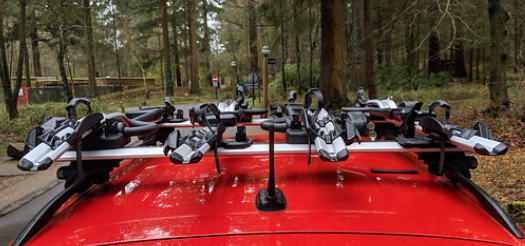
Red Hyundai Konda roof rack close up.

How To Install a Roof Rack on Your Hyundai Kona

Is your Hyundai Kona the perfect weekend warrior and travel companion? Your SUV meets your lifestyle needs, but it might be missing an extra accessory to truly optimize your Dublin, California, adventures. Hyundai Kona roof cargo carriers and roof racks are the next best thing to maximize its utility and capacities. Take an effective step toward enhancing your Hyundai Kona with a roof rack and learn how to install one with this overview. Why Add a Roof Rack to Your Hyundai Kona? You may think your Hyundai Kona is adventure-ready, with its off-roading capabilities and great fuel economy, but your available storage space is just as important. Adding a roof rack to your Kona can help with the following: Enhancing Your Vehicle's Utility For a subcompact crossover SUV, the 2024 Hyundai Kona offers a modest interior cargo volume of 63.7 cubic feet with the rear seats folded down. However, you compromise your five-passenger seating capacity. One of the best Hyundai Kona cargo solutions is adding a roof rack to the existing roof side rails. A roof rack increases your vehicle's utility, providing additional cargo space for various items without affecting your passenger or interior cargo configuration. Preparing for Adventure: The Benefits Adding a roof rack enhances your Hyundai Kona's outdoor adventure setup. This SUV accessory allows you to carry bikes and kayaks on top of your Kona so you can hit the trails in Redwood National Park or explore the refreshing waters of the bay. A Kona roof rack offers plenty of space for your camping gear so you can plan a fun Bay Area getaway with family or friends. Choosing the Right Roof Rack for Your Kona Uphold the reliability of your SUV by choosing the best roof racks for a Hyundai Kona, depending on your travel needs. Types of Roof Racks Explained Different roof racks are available for your Hyundai Kona, each with specific uses. Get a better understanding of what they are and how they work with this list: Roof rails: Roof rails are factory installed to your Kona that run parallel to the length of your car in a north and south direction. This accessory is the foundation for roof racks and cargo carrier installation. Roof racks: A Hyundai Kona roof rack is a series of horizontal bars that attach to your roof rails. They are made from durable, lightweight materials such as aluminum or steel, designed to withstand heavy loads and resist damage from the elements. Crossbars: Crossbars are similar to roof racks but engineered to be more aerodynamic. They provide extra cargo support and stability wherever you travel. Depending on the type, you may be able to lock your crossbars for additional security. Compatibility and Selection Tips Before purchasing a roof rack for your Hyundai Kona, ensure it is compatible with your SUV. Consider important factors like weight limits when choosing a roof rack. Will you use it to carry light luggage or heavy dirt bikes? Additionally, your vehicle specifications, like length and if it has a moon or sunroof, can affect whether you can install a Hyundai Kona roof rack. Step-By-Step Installation Guide Installing a new roof rack on your Hyundai Kona is an easy do-it-yourself project. Here's your Hyundai Kona roof rack installation guide: Tools and Materials Needed You will need the following tools and materials to complete a DIY roof rack installation on your Hyundai Kona: A bucket of clean water and a cloth. A step ladder. Safety gloves and goggles. A torque wrench. A 5-millimeter hex socket wrench. A front and rear crossbar installation kit complete with a hardware bag, quick reference guide, and 5-millimeter hex key. Detailed Installation Steps Follow this step-by-step guide on how to install a roof rack on your Kona: Using the provided keys, unlock all four crossbar covers by turning the key clockwise. Take the key out of the keyhole and remove the roof crossbar covers. Note: Be mindful of where you place your keys and roof crossbar covers so you don't lose them. Using the 5-millimeter hex key, loosen the bolts and clamps of the roof crossbars on all four sides. Do not remove the bolts. Clean your Kona roof rails before installing the crossbars with a bucket of clean water and a cloth. Use a step ladder to access the harder-to-reach spots. Check the mounting direction and location of the front and rear crossbars before mounting them to your Hyundai Kona. Note: The front crossbar is wider than the rear. Place the roof crossbars on your Kona's side rails and loosen the crossbar clamps to match the rails' shape. Position the front crossbar behind the first hole cap on the roof rails. Position the rear cross bars in front of the third hole cap on the roof rails. Note: Remember to keep the front and rear roof crossbars parallel to each other. Use the torque wrench and 5-millimeter hex socket to tighten the bolts of the roof crossbars. Repeat until all bolts are tightened. Hold each crossbar by hand and test to ensure each clamp is fully locked onto the roof rails. The crossbars should be tight and secure. If they move when you shake them, return to step 6 and check again. Replace the roof crossbar covers, ensuring the left-hand and right-hand covers are installed accordingly. Insert the key into the keyhole of the roof crossbar cover and turn it counterclockwise to lock it. Store the keys, 5-millimeter hex key, and quick reference guide in your Kona's glove compartment for safekeeping. Safety Tips for Installing and Using a Roof Rack The following Hyundai Kona roof rack safety tips are the last step of the DIY installation process to ensure safe driving: Before traveling, verify the clamps are fully seated on the side roof rails. Ensure the crossbars are in the locked position and do not jiggle or rattle. There should be no movement. Ensure proper load distribution and spread your cargo evenly across your roof rack. Double-check that your cargo is secured effectively with appropriate tie-downs and straps to prevent accidents. Maximizing Space: Roof Racks for Kona in Dublin, California Curious about adding storage to your Hyundai Kona? Discover quality roof rack options and Hyundai Kona roof rack accessories at Dublin Hyundai. Our team is committed to helping you enhance your Hyundai SUV with exceptional parts. Contact us today to browse our parts inventory or schedule a roof rack installation appointment. Bike Racks by Henry Burrows is licensed with CC BY-SA 2.0

Contact Us

Fill out this form below and we'll contact you shortly

By submitting your information, you agree to the sharing of your information between Hyundai Motor America and its authorized dealers.

*Required Fields