
Blog / Financing

Blog

All Financing Dublin Hyundai Dealer Local Hyundai Comparisons IONIQ Dublin Hyundai Service Hyundai Electric Cars Hyundai Tucson Hyundai Elantra Hyundai Features Hyundai Kona Hyundai Santa Cruz Hyundai Santa Fe Hyundai Sonata Hyundai Performance Cars Dublin Used Cars Hyundai Palisade
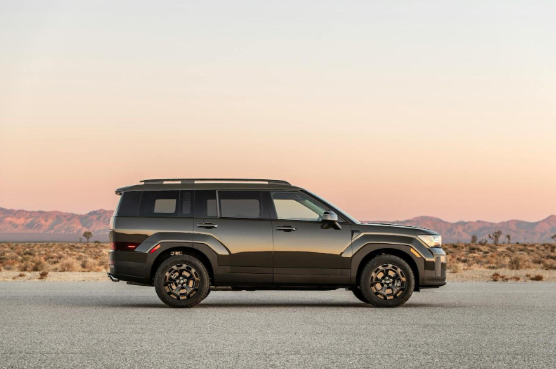
Hyundai Santa Fe parked in front of a California sunset.

Benefits of Trading In Your Used Car

Trading in your old car when buying something new can save you time and money. If you're ready for an upgrade, talk with our team at Dublin Hyundai about why trading might make sense for your situation. more Key Benefits of Trading In a Used Car Trade-ins offer a little-known tax break — you only pay sales tax on the difference between your trade-in value and the new car price. For example, if you're considering a $30,000 vehicle and your current car is worth $10,000 in trade, you'll only pay tax on $20,000. Your trade-in value works like an instant down payment, simplifying the deal and potentially shrinking your monthly payments. Trading vs. Selling If you have a busy schedule, trading can save you time. We're currently looking for quality used cars — the market's short on inventory because the pandemic hit rental companies hard. This is great timing for you since you'll likely get a better offer than expected, especially if you want a quick upgrade without the hassle of online listings and calls from strangers. If your car has high mileage or is in less-than-pristine condition, trading might be your best move. Private buyers often bolt when they spot high odometer numbers or visible wear. Our Dublin dealership's service team is ready to fix cars before resale, so we'll take vehicles that aren't perfect. We can spot value where individual buyers see only problems. Don't ignore the risks of meeting with unknown buyers for private sales, and there are payment hassles, test-drives with strangers, and scams to consider. Dealership trades eliminate these concerns entirely. Studies show that two out of five car buyers base purchasing decisions on their current car's resale value, viewing trading as an opportunity, not just a necessity. Trading In vs. Private Sales If you can't decide between a trade or a private sale, here's how the two options compare: What MattersTrading InPrivate SaleTimeQuick, often done in a single afternoonWeeks or months of ads, calls, and showingsMoneyTypically less than a private saleAbout 10%-15% more cash potentialSafetyLow riskStrangers, test-drives, possible scamsPaperworkDealership handles almost everythingYour responsibilityHagglingSome wiggle room as part of the bigger dealMore control over your asking priceGuaranteesSome dealers offer limited coverageUsually none Trade-ins usually move quickly. Drive in with your old car, and drive out with a new one, often on the same day. Our dealership handles all the paperwork. You might earn less than with a private sale, but you may find this simplicity is worth every penny. Your choice depends on whether you value time or money more. Maximizing Trade-In Value Clean your car thoroughly before you visit our dealership. Professional detailing might add hundreds to your offer. Fix small issues — replace burnt-out lights, buff out minor scratches, and remove old bumper stickers. Bring your service records, owner's manual, and warranty information to show you've cared for your car. Check Kelley Blue Book before any dealership visit to learn your car's actual worth. Going in with real numbers keeps the process honest and boosts your confidence when discussing price. Be honest about accidents — they'll show up on history reports regardless. Quotes from multiple dealerships can create competition. Doing your homework often changes an okay deal into a great one. An appraisal takes only 15-30 minutes before you hear our offer. Steps To Trade In Your Car Ready to trade in your car with us? Here's your game plan: Check what your car's worth on Kelley Blue Book. Round up your paperwork: title, registration, and maintenance records. Make your car shine with a thorough cleaning and fix minor issues. Stop by our dealership in Dublin for a quick appraisal. Listen carefully to our offer and how it fits into your purchase plan. Don't be shy about negotiating if the number doesn't match your research. Sign the papers and wrap up the ownership transfer once you're satisfied. Our team at Dublin Hyundai can guide you through this whole process. We'll walk you through each step and answer any questions. Our goal is to make your transition to a new set of wheels as smooth as possible. Special Scenarios and Considerations Still paying off your car? No worries — we can handle your loan payoff directly. If you owe more than the car's worth, you'll either pay the difference or add it to your new loan. High-mileage vehicles or those with wear aren't dealbreakers. We value all types of cars daily, based on market conditions. We know a well-maintained car with 120,000 miles still has plenty of life left. If you have an unusual or vintage vehicle, consider a specialized appraisal, as standard trade-in processes rarely capture a classic's true value. Leased vehicles follow different rules. Check your contract for early termination details. Some leases allow early trade-ins without penalties, but others need a buyout first. If your car has been in an accident or has a salvage title, just be honest about it. Is Trading In Right for You? Trade-ins save hours of hassle, might give you a tax break, and apply directly to your new purchase. You may walk away with less money than a private sale would bring, but if you're swamped with work and family commitments, the convenience might be worth it. Your car's condition, your local market, and your comfort with the sales process are all factors to consider. Trade In Your Car at Dublin Hyundai Today At Dublin Hyundai, we treat your trade-in with respect and transparency. Our team avoids high-pressure tactics and focuses instead on giving you options that work for you. To start exploring a trade-in, stop by for a no-obligation appraisal. We're ready to help you figure out the next step in your automotive journey — whether that means trading with us or exploring other options. The right side view of the Hyundai SANTA FE XRT stopped with the mountains under the sunset in the background. by Hyundai Motor Group is licensed with Pexels License

Woman holding up the keys to her new Hyundai vehicle.

Is Now a Good Time To Buy a New Car?

Daydreaming about a brand-new Hyundai cruising the streets of Dublin? You're not alone. But with ever-changing market dynamics, the question of "Is now a good time to buy a new car?" can be a head-scratcher. Here at Dublin Hyundai, we understand your desire to make an informed decision. This guide explores key factors to consider, from deciphering market trends to leveraging smart shopping strategies. Buckle up, and let's navigate the road to your perfect car purchase. Understanding the Current Car Market Dynamics The car market is constantly evolving. Over the past few years, we've seen notable trends in new car sales and pricing. Due to global events, such as the pandemic, car availability and prices have been affected significantly. New car production saw slowdowns, leading to higher prices. Concurrently, the used car market also experienced a surge in prices due to increased demand and limited new car inventory. Understanding these market dynamics is crucial in making an informed decision. Decoding the Best Times To Buy a New Car Timing is everything when it comes to buying a new car. Here are some key periods to consider: Seasonal deals and promotions: Certain times of the year offer better deals. For instance, the end of the year is often touted as the best time of the year to buy cars, as dealers look to clear out older models to make room for new inventory. Model year-end sales: At the end of a model year, dealerships like ours at Dublin Hyundai offer significant discounts on outgoing models. Holiday sales: Major holidays, such as Memorial Day, Labor Day, and Black Friday, often come with promotional deals. Weekdays versus weekends: Dealerships are typically less busy during weekdays, which might give you more room to negotiate. Incentives and Financing: Leveraging Opportunities Taking advantage of current incentives and financing options can save you a substantial amount: Low annual percentage rate (APR) offers and lease deals: Many manufacturers offer low APR financing or attractive lease deals as we approach year-end sales. For example, qualified buyers can get some models with 0% financing. Incentives to optimize your purchase: Rebates, loyalty bonuses, and special financing rates are just a few examples of incentives that can reduce your overall cost. When Is the Right Time To Buy a Used Car? Here are some key factors to consider when deciding the right time to make your purchase: End of the month/quarter: Dealerships often have sales targets to meet. Buying at the end of the month or quarter can lead to better deals as salespeople are more motivated to negotiate. Holiday sales events: Major holidays, such as Black Friday, Memorial Day, and New Year's, often come with significant discounts and promotions on used cars. Off-season: Buying a car during the off-season, such as winter, can sometimes result in lower prices due to decreased demand. Personal financial readiness: Ensure you're financially prepared, with a good credit score and a clear budget, to take advantage of financing options and negotiate better terms. Innovative Car Buying Strategies In today's dynamic market, buying a car requires more than just visiting a dealership. Here are some innovative strategies to help you get the best deal and make an informed decision: Online marketplaces: Utilize platforms, such as Carvana or Autotrader, to compare prices, read reviews, and even purchase a car online. These platforms often offer home delivery and return policies. Certified pre-owned (CPO) programs: The manufacturer inspects and refurbishes CPO cars, offering a balance between a new and used car with extended warranties and guarantees. Auction sites: Participate in online car auctions or local auction houses. This can be a way to find unique deals, though it requires careful research and sometimes a bit of luck. Negotiation apps: Leverage apps, such as TrueCar or Edmunds, to get upfront pricing information and negotiate better deals. Trading In or Selling Your Old Car: Best Practices Deciding whether to trade in or sell your old car can significantly impact your finances. Here are some best practices to ensure you get the most value out of your vehicle: Research market value: This will give you a negotiation baseline and help you set a realistic price. Clean and repair: A well-maintained car can fetch a higher price. Consider doing minor repairs and detailing to enhance its appeal. Get multiple quotes: If trading in, visit several dealerships to get multiple trade-in quotes, as this can help you negotiate a better deal. For selling, list your car on multiple platforms, such as Craigslist, Facebook Marketplace, and Autotrader. Negotiate smartly: Use your research and quotes to justify your asking price. Be firm but flexible to close the deal. The Future Outlook: What Car Buyers Can Expect As the automotive industry continues to evolve, car buyers can look forward to several exciting developments that promise to reshape the driving experience. Here are some key trends and changes to anticipate: Autonomous vehicles: Self-driving cars are becoming more advanced, with many companies investing heavily in autonomous technology. This trend will likely revolutionize transportation by enhancing safety and convenience. Connected cars: Vehicles now often have internet connectivity, allowing for real-time updates, remote diagnostics, and enhanced infotainment systems. Growth of electric vehicles (EVs): The shift toward EVs is accelerating, driven by advancements in battery technology and increasing environmental awareness. Financial Considerations for Prospective Buyers When considering purchasing a car, it's crucial to evaluate your financial situation and understand how various factors can impact your decision. Here are some key financial considerations if you're planning to buy a new car: Budget evaluation: Ensure you have enough funds for a down payment and can comfortably manage monthly payments without straining your finances. Credit score check: A higher score can secure better financing options, so it's wise to check and improve your credit score if necessary. Loan comparison: Interest rates vary between lenders, so compare different loan offers to find the most favorable terms. Fixed versus variable rates: Fixed rates provide stability with consistent payments, while variable rates might start lower but can fluctuate, potentially increasing your costs over time. Make Your Move Today As you weigh whether now is a good time to buy a new car, consider all these factors carefully. The current market offers unique opportunities that could benefit you as a buyer. If you're ready to explore options or have questions about purchasing a vehicle in Dublin, California, or beyond, visit us at Dublin Hyundai. Our team can help get you into a new car that fits your needs perfectly. Woman in Black Blazer Standing Beside Black Car by Antoni Shkraba is licensed with Pexels License

California electric vehicle charging at home.

Navigating Electric Vehicle Tax Benefits in California

It's becoming increasingly clear that the world needs to move away from dirty and pollutant combustion-engine vehicles and embrace electric technology. However, the process is relatively slow, as millions of drivers need to replace their old vehicles with new ones. Accelerating this process requires financial incentives at both a federal and state level, with California leading the way in promoting electric vehicles as part of a cleaner and more sustainable way of life. Keep reading to learn more about how you can benefit from significant incentives when buying a Hyundai in California. more Federal Tax Credits Electric vehicle buyers from all over the country can get up to $7,500 in the form of a federal tax credit, depending on factors like the car's battery capacity, your household income, and whether the vehicle is new or used. The two types of credit are: New Clean Car Credit This applies to fuel cell and plug-in electric vehicles and can help you save up to $7,500 on your new car purchase. You'll have to buy it for personal use and drive in U.S. territory most of the time to qualify. The maximum income that makes you eligible is: $300,000 for married couples who file together. $225,000 for heads of households. $150,000 for everyone else. Used Clean Car Credit You can also get a tax credit of up to $4,000 if you buy a used EV from a certified dealership. The car must cost less than $25,000. The income limits for this tax credit are: $150,000 for married couples who file together. $112,500 for heads of households. $75,000 for everyone else. How to claim EV federal tax credits If you're eligible for either the new clean car credit or used clean car credit, you can file Form 8935 when filing your federal income taxes. You can also transfer the tax credit to a dealership and get a direct discount on your EV purchase, which may be the more convenient alternative. If you're claiming it on your tax return, you need the following information: The seller's name and taxpayer identification number (TIN). The buyer's name and TIN. The date of the sale and the car's purchase price. A verification of the vehicle's eligibility for tax credit. Information regarding the vehicle's battery capacity (it should be at least seven kilowatt hours) The vehicle's identification number A confirmation that the buyer is the primary vehicle user A statement of declaration from the seller If you choose to transfer the tax credit to the dealer for a direct discount, you must show the dealership your photo ID and taxpayer identification number. You also need to provide or confirm the following: You meet the income-based eligibility criteria. You confirm that the car will mostly be for personal use. You agree to pay the IRS any accepted rebate amount if your income is above the eligibility threshold. When filing the tax return for the tax year in which you bought the vehicle, you'll include the vehicle's identification number and date of purchase. You confirm that you voluntarily chose to transfer the credit. Although Hyundai models don't yet qualify for federal tax rebates, Hyundai is offering a similar $7,500 discount for the IONIQ 5, IONIQ 6, and Kona Electric. California Local and State Rebates There are also local and state-wide incentives for electric vehicle buyers. The Clean Vehicle Rebate Program (CVRP) was the most popular but was suspended on November 8th, 2023. Others have taken its place, including charging station rebates that utility providers offer individuals and businesses that wish to install charging stations. The Clean Cars 4 All Program gives lower-income California citizens from select areas the chance to replace their old gas-powered vehicles with new, less pollutant alternatives. It allows participants to buy new or used EVs, hybrids, and plug-in hybrids, as well as alternative vehicles like bikes, scooters, and even vouchers for public transportation. This program is slightly different based on the region in which you live and is divided into four different sub-programs: Replace Your Ride Residents of the South Coast Area, including Los Angeles, are eligible for this program. It enables participants to receive up to $9,500 to replace their old combustion-engine vehicle with a new, more eco-friendly alternative. Income criteria depend on multiple factors, such as the number of people in the household and their income level. The old vehicle must be a 2007 model year or older, be registered in California, and be fully operational, among other criteria. Clean Cars For All This program covers low-income individuals living in the Bay Area. Participants can get up to $12,000 for their old vehicles when purchasing new electric ones. To participate, you must complete an application that confirms that you live in the Bay Area, your household income is below the maximum allowed for this program, and your vehicle is eligible (the vehicle eligibility criteria are the same as for the Replace Your Ride program). An authorized dismantler will verify your old vehicle, and you can then go to a dealership and buy a new sustainable vehicle. Drive Clean in the San Joaquin San Joaquin Valley residents with modest incomes can use this program to upgrade their vehicles. The maximum available sum is $12,000, and the main eligibility factor is having a household income below 300 percent of the federal poverty level. Your vehicle also must be from 2006 or older. Clean Cars 4 All This program is available for low-income residents in the Sacramento area. The maximum sum you can get when buying a new or used EV is $9,500. The income eligibility criteria depend on your annual income and the number of residents in your household. Your vehicle must be from 2009 or older. Get a Sustainable Electric Vehicle From Dublin Hyundai Here at Dublin Hyundai, we're committed to keeping our air clean and want to help you gain from the electric vehicle tax benefits in CA. Our staff can help you understand how switching to an electric vehicle does the environment a favor by reducing transportation costs and enhancing your lifestyle. Contact us today, or come visit us. a white car parked in front of a building by Hyundai Motor Group is licensed with Unsplash License

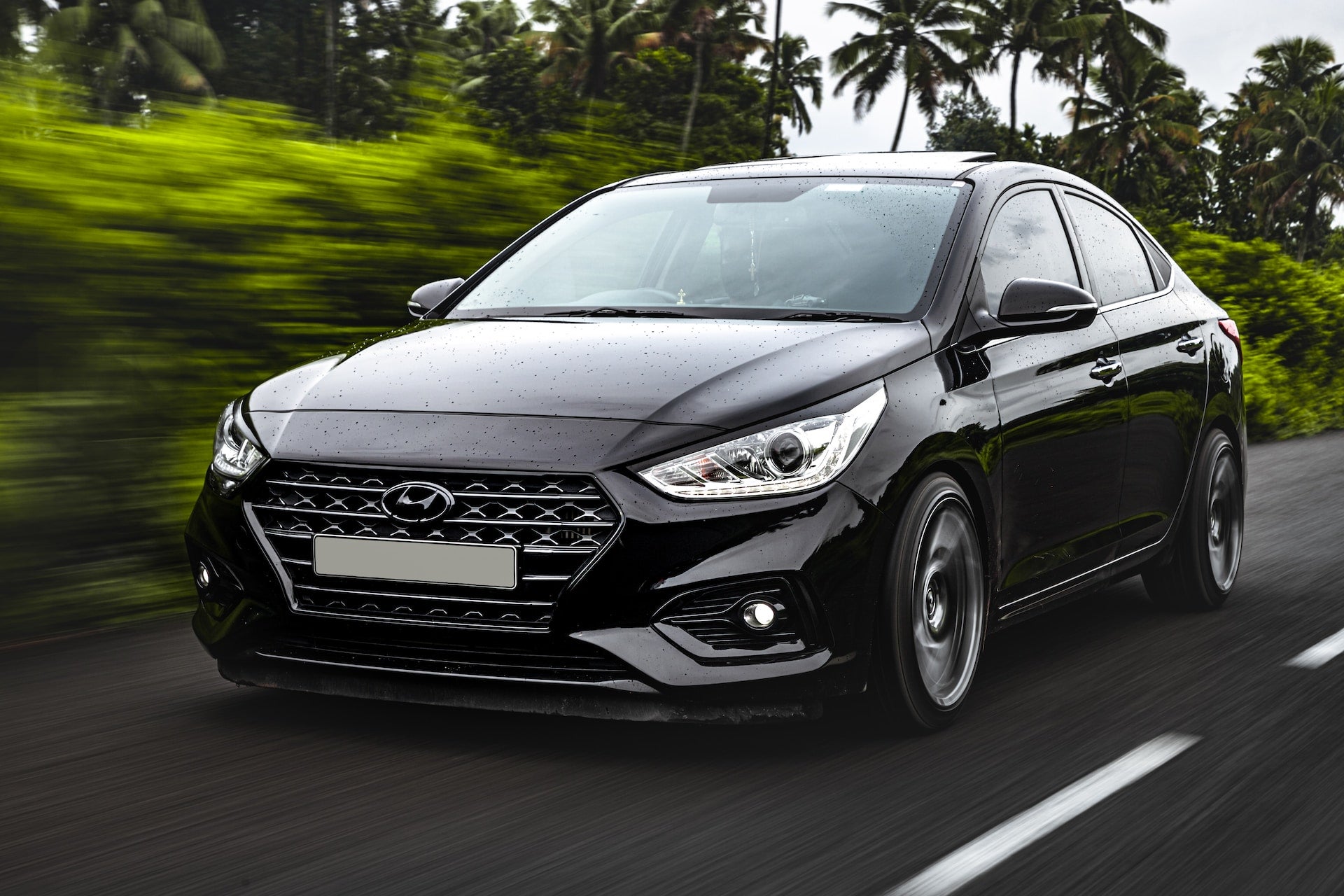
Black Hyundai driving fast down the road with trees behind it

Tax Benefits to Financing vs Leasing

You've finally found the car of your dreams. It has every feature you want, and it's within your budget. Only one question remains: will you purchase or lease it? This decision is even more critical with tax season looming. Still, like most important decisions, both choices have their pros and cons. Business Vehicle Tax Deductions Before jumping into the pros and cons of financing versus leasing, let's explore the basics of available tax deductions for business vehicles. There are two tax deductions for these: the standard mileage deduction and the actual expenses deduction. The standard mileage deduction allows you to claim miles you've driven for your business on your federal taxes. Each year, the IRS announces a new standard mileage rate; for 2023, this rate is 65.5 cents per mile driven. So, if you drive 10,000 miles for your business, you can deduct $6,550. Business miles are any distance traveled while running your business or working. Grocery shopping or going to the movies doesn't qualify for the mileage deduction. Similarly, your daily commute doesn't count toward your business mileage total. The actual expenses deduction means you must calculate the sum of all your vehicle expenses. These expenses may include lease payments, auto insurance, gasoline, maintenance, and tire purchases. Then, you multiply the sum by the portion of the vehicle you used for business. So, for example, if 50% of the miles you put on your car during a year were for business purposes and your total expenses were $10,000, you'd multiply $10,000 times 50%. In total, your deduction would be $5,000. When using the actual expenses deduction, it's important to note that you may deduct the cost of monthly lease payments only if you sign a standard lease. You can't claim a deduction of lease payments if you sign a lease-to-own contract. Advantage #1 of Financing Your Business Vehicle: Flexibility of Tax Deductions There are different tax advantages for both financing and leasing. One of the most critical advantages of financing a vehicle is the flexibility you get when you purchase a vehicle outright versus leasing it. When you buy a vehicle, you can swap between the two vehicle deductions (standard mileage and actual expenses). But if you lease your vehicle, you must stick with whichever deduction you select in your first year. Even if you renew your lease, you'll have to use the method you chose on the lease's first iteration. So, if you want the flexibility to fluctuate between the deduction you use, financing is your best choice. Advantage #2 of Financing Your Business Vehicle: Depreciation Deduction Another tax benefit you gain from financing your vehicle over leasing is that it'll qualify for the depreciation deduction. Only purchased cars qualify for this deduction, and you must use the actual expense deduction to utilize the depreciation deduction. Typically, you determine how much of your care depreciated over the year using the modified accelerated cost recovery system (MACRS). Note it doesn't matter if you pay cash upfront for your vehicle or have a monthly payment; your vehicle's depreciation is tax deductible through the actual expenses method. However, this depreciation deduction changes every year. For 2023, the maximum amount of depreciation you can claim on your vehicle is $20,200. Advantage #3 of Financing Your Business Vehicle: Cost To Own One of the main financial advantages of financing a car over leasing is that you'll own your vehicle at the end of the loan. You can often purchase a vehicle, even after leasing it, but you'll pay more than if you had financed the vehicle, to begin with. Advantage #1 of Leasing Your Business Vehicle: Less Upfront Costs Generally, upfront costs are significantly less when you lease a vehicle than when you purchase it. You'll need to stay within your lease's terms for wear-and-tear and mileage, but if you do this properly, you can significantly reduce costs compared to buying the same vehicle. When you purchase a vehicle, you typically pay a 10-20% down payment, plus taxes, registration, and fees. Conversely, when you lease a car, you pay a smaller down payment — sometimes zero — as well as the first month's payment, a refundable security deposit, and other fees. Not only will you need less of a down payment, but you'll also likely have smaller monthly payments under a lease compared to an auto loan. You're paying the purchase price spread out over the loan's term when financing. On the other hand, with a lease, you're paying for the vehicle's deprecation during the lease term. As such, you may likely pay less per month than when financing. Additionally, your lease may provide you with reduced maintenance expenses if it covers the cost of routine services, such as oil changes. Advantage #2 of Leasing Your Business Vehicle: Electric Vehicle Expenses Several financial incentives exist for purchasing a new electric vehicle, including a federal tax credit and state-sponsored rebates in certain states. Still, first-year depreciation is steeper for electric cars than for their gas-powered counterparts. Moreover, the batteries that power electric vehicles degrade over time and are a massive expense if they ever need to be replaced. So, if you want an electric vehicle, you may be better off in the long term with leasing rather than purchasing despite the available tax incentives. Finance or Lease Your Next Vehicle at Dublin Hyundai If you're looking for a new or pre-owned vehicle in Dublin, Hayward, or San Ramon, California, look no further than Dublin Hyundai. We pride ourselves on our extensive selection of new and pre-owned Hyundais so that we can find the ideal vehicle for you, no matter your needs. But our service doesn't stop there. We also have an expert finance department to help you determine whether financing or leasing is your best option. Our friendly finance team will help you enter into the right finance program at the most competitive rates. Plus, you can use our payment calculator to estimate your buying power and monthly payments. Contact us online, call 925-803-7700, or stop by in person at 6015 Scarlett Court in Dublin, California. Image by Ajoy Joseph is licensed with Unsplash License

Contact Us

Fill out this form below and we'll contact you shortly

By submitting your information, you agree to the sharing of your information between Hyundai Motor America and its authorized dealers.

*Required Fields