
Blog / Dublin Hyundai Service

Blog

All Dublin Hyundai Service Dublin Hyundai Dealer Local Hyundai Comparisons IONIQ Hyundai Electric Cars Hyundai Tucson Hyundai Elantra Hyundai Features Hyundai Kona Hyundai Santa Cruz Hyundai Santa Fe Financing Hyundai Sonata Hyundai Performance Cars Dublin Used Cars Hyundai Palisade
Hyundai Palisade parked on a bay area California cliffside.

Hyundai Tire Care Tips

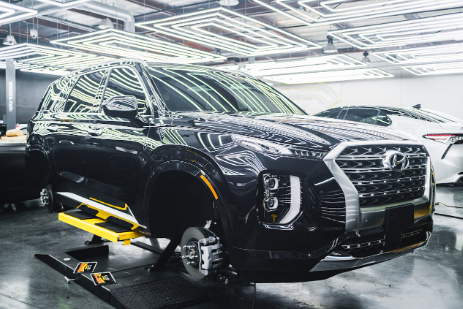
Your vehicle's tires are among its most critical safety components, directly impacting handling, fuel efficiency, and overall driving performance. Proper tire care ensures a smooth ride and prolongs the life span of your tires, ultimately saving you money. Keep reading to learn essential tire care tips to keep your Hyundai performing at its best. more The Importance of Regular Tire Maintenance Consistent tire maintenance offers several benefits, including: Enhanced safety: Properly maintained tires improve traction, stability, and braking performance, reducing the risk of accidents. This helps you maintain control in various driving conditions, including wet roads, potholes, and extreme temperatures, which can accelerate tire wear. Better fuel efficiency: Well-maintained tires reduce rolling resistance, improving fuel economy. Keeping your tires at the correct pressure ensures you get the most out of every gallon. Prolonged tire life: Routine care prevents premature wear, allowing your tires to last longer before needing replacement. This reduces long-term costs and ensures a safer driving experience. Tire Inspection Methods Conducting regular tire inspections helps identify potential issues before they escalate into serious problems. Start with a visual check, looking for cracks, bulges, punctures, or embedded objects that could weaken your tires and increase the risk of failure. Next, inspect the tread wear—uneven wear patterns may indicate alignment or inflation issues, and addressing these early can prevent further damage while extending tire life. Pay attention to any unusual vibrations or noise while driving, as these could signal the need for tire balancing or alignment and may even point to deeper mechanical concerns. Regular Tire Pressure Monitoring and Adjustment Maintaining proper tire pressure is crucial for performance and safety. Here's what you can do: Prevent underinflation: Low pressure can cause poor handling, reduced fuel efficiency, and increased tire wear. This can also increase the risk of blowouts. Avoid overinflation: Excessive pressure can lead to a rough ride and uneven wear. Overinflated tires also reduce traction and impact braking efficiency. Heed tire pressure monitoring system alerts: Most modern Hyundai vehicles feature a tire pressure monitoring system to notify you when pressure is too low. Perform monthly checks: Tires naturally lose 1-2 psi per month. Use a tire pressure gauge to check and adjust pressure according to the manufacturer's recommendations. Tread Depth: How To Measure It and Why It Matters Tread depth determines a tire's ability to grip the road, especially in wet conditions. Here's how you can measure your tire's tread depth: Use the quarter test: Insert a quarter upside down into the tire tread. If you can see the top of George Washington's head, it's time for a replacement. Check the tread wear indicators: Most tires have built-in tread wear bars that signal when replacement is needed. These bars become visible as the tire wears down. Know the legal tread depth: Anything below 2/32 of an inch is unsafe and should be replaced immediately. Proper tread depth ensures optimal traction and braking performance. Advanced Tire Care Practices Beyond basic inspections and air pressure checks, additional maintenance can help extend the life of your tires. Regular tire rotation, recommended every 5,000-6,000 miles, ensures even wear and prevents excessive strain on specific tires, promoting balanced performance. Wheel alignment is also essential—if your vehicle pulls to one side or the steering wheel feels off-center, an alignment is necessary to prevent uneven tread wear. Additionally, properly balanced tires reduce vibrations, improve ride comfort, and enhance overall vehicle stability, ensuring a smoother and safer driving experience. When and How To Replace Worn Tires Knowing when to replace your tires is crucial for safety. Warning signs include: Balding or uneven tread wear: Reduced tread depth affects grip and stopping distance. This increases the risk of hydroplaning in wet conditions. Cracks, bulges, or punctures: Structural damage can lead to blowouts. Inspecting for these signs helps prevent sudden tire failures. Persistent air loss: If a tire consistently loses pressure, it may need replacement. Continuous air loss can indicate internal damage. Another key component of replacing your tires is choosing the right tires for your vehicle and climate. Hyundai dealerships offer factory-approved tires with road hazard coverage for peace of mind. These tires are designed for optimal performance with your Hyundai model. Maximizing Tire Longevity Extend the life of your Hyundai's tires with these habits: Drive smoothly: Avoid sudden acceleration, hard braking, and sharp turns. Aggressive driving puts unnecessary strain on tires and shortens their life span. Avoid overloading: Excess weight increases stress on tires. Staying within your vehicle's weight limit reduces the risk of premature wear. Use proper storage: If storing spare tires, keep them in a cool, dry place to prevent deterioration. Exposure to extreme temperatures can weaken rubber compounds. Perform regular cleanings: Remove debris and clean tires to prevent buildup that can accelerate wear. Dirt and grime can cause rubber to degrade over time. Scheduling Professional Tire Service for Your Hyundai While regular self-maintenance is essential, professional service ensures optimal tire performance. Our trained technicians at Dublin Hyundai can detect issues you may overlook, such as internal damage or misalignment. They also use specialized tools and diagnostic equipment to assess tire health more accurately than a visual inspection alone. Precision alignment and balancing ensure even tire wear and smooth handling, preventing premature replacement. Hyundai dealerships also provide access to Hyundai-approved tires designed specifically for your vehicle model, ensuring safety and compatibility. Scheduling professional tire care guarantees that your Hyundai remains in top condition for the road ahead. While getting your tires taken care of, you can also tackle other upkeep requirements for your vehicle. Here are some other services to consider adding during your Hyundai tire maintenance appointment: Cabin air filter replacement Oil and oil filter change Brake repair or replacement Wiper blade replacement Bulb replacement Invest in Proper Tire Care for Your Hyundai at Dublin Hyundai Ensuring proper tire maintenance enhances safety, fuel efficiency, and driving comfort. By following these tire care tips for Hyundai vehicles, you can extend the life span of your Hyundai tires and enjoy a worry-free driving experience. For professional tire services, visit Dublin Hyundai, where our expert technicians are ready to assist with inspections, rotations, alignments, and replacements. Schedule your appointment today to keep your Hyundai running smoothly and safely. Parked Hyundai Palisade by Hyundai Motor Group is licensed with Pexels License

Black Hyundai Palisade getting service in Dublin, CA.

Why Choose OEM Hyundai Parts?

When it comes to maintaining your Hyundai, choosing the right parts makes a significant difference. Opting for original equipment manufacturer (OEM) parts ensures top-quality performance and longevity. Unlike aftermarket alternatives, OEM parts are specifically crafted to fit your vehicle perfectly. Though cheaper options may seem appealing, OEM parts are often more reliable than aftermarket options. At Dublin Hyundai, we're dedicated to offering expert service and genuine parts that help your car deliver its best performance. more Advantages of Using Hyundai OEM Parts Choosing the right parts for your Hyundai can affect the longevity and performance of your vehicle. While aftermarket parts may seem appealing due to their lower price tags, they often fail to match the quality and precision of OEM components. There are multiple advantages to using OEM parts. Fit and Compatibility Hyundai's engineers design OEM parts to match the exact specifications of your specific model and year, ensuring a perfect fit without any modifications or adjustments. On the other hand, aftermarket parts are often mass-produced for multiple vehicles, leading to potential compatibility issues. With OEM parts, you eliminate the guesswork. Quality and Durability OEM parts from Hyundai undergo rigorous testing during production to meet high-quality standards. Built with premium materials, these parts last longer and reduce the chance of failure. In contrast, aftermarket components may use inferior materials, leading to quicker wear and tear and additional repair costs. Warranty Coverage Using OEM parts helps maintain your vehicle's warranty. Aftermarket parts could void the warranty if they lead to damage or malfunction. Hyundai's OEM warranty means you can rest easy knowing any part installed is covered for defects or issues, offering long-term confidence in your vehicle. Enhanced Performance OEM parts are optimized for performance. Whether it's a brake pad, air filter, or engine component, each part works in harmony with the other components in your vehicle. This ensures smooth functionality and peak efficiency, something aftermarket parts can't always guarantee. If you want to keep your Hyundai in top shape, choosing OEM parts is a wise investment in safety and value. The Impact of OEM Parts on Safety Every part plays an essential role in protecting you and your passengers. OEM Hyundai parts meet the stringent safety standards set by Hyundai and the National Highway Traffic Safety Administration. Using OEM components ensures your car's crucial safety features — such as airbags, braking systems, and sensors — continue to work at their highest capacity. Aftermarket parts may not meet the same rigorous standards. They're generally designed to fit multiple vehicles, which can compromise functionality. A poorly fitting part could interfere with essential safety features or fail under stress, posing significant risks during an emergency. OEM parts also work seamlessly with your vehicle's existing systems, ensuring no conflicts in how those systems operate. Everything from brake pads to windshield wipers is crafted specifically for your Hyundai model. If you want to know that every component in your vehicle is working as intended to prioritize safety, OEM parts are the clear choice. Don't risk cutting corners with parts that keep you safe on the road. Why OEM Parts Are a Better Long-Term Investment Opting for OEM Hyundai parts can extend the life of your vehicle, as aftermarket components often fail to deliver the same quality and dependability. Investing in OEM parts goes beyond the immediate repair; it sets your vehicle up for long-term success. Avoid Costly Repairs and Replacements Because aftermarket parts are often mass-produced to fit multiple vehicles, they lack the precise engineering of OEM components. This can result in poor fit and performance, leading to a higher likelihood of wear and tear. Over time, using lesser-quality parts can cause more significant damage to other systems in your vehicle. While aftermarket parts may seem cheaper upfront, you could spend more on repairs and replacements. Protect Your Vehicle's Resale Value OEM parts help preserve your vehicle's resale value. When it's time to sell your car, buyers are more likely to trust a vehicle maintained with genuine Hyundai parts. Aftermarket components can raise concerns about quality and reliability, potentially lowering your car's value. By using OEM parts, you retain the integrity of your vehicle, making it more attractive to future buyers. Maintain Warranty Coverage One significant advantage of choosing OEM Hyundai parts is the superior warranty coverage that comes with them. With OEM components, you're less likely to face out-of-pocket expenses if a part fails under normal use. Aftermarket parts often don't offer comparable warranties, leaving you on the hook for repair costs if something goes wrong. In the end, while aftermarket options might save you a few dollars initially, OEM Hyundai parts provide longer-lasting value. They guarantee performance, protect your investment, and save you from unnecessary expenses over time. The Scope of Hyundai's Warranty for OEM Parts OEM Hyundai parts have a comprehensive warranty. Hyundai stands behind its parts, offering a 12-month or 12,000-mile limited warranty on all genuine replacement parts and accessories. This covers any defects in materials or factory workmanship under normal driving conditions. If an OEM part fails during this time, it can be repaired or replaced at no cost to you. Parts installed by authorized Hyundai dealers are also covered for defects that occur during regular use. But even if you purchase a genuine part and install it yourself or at an independent shop, you're still protected by Hyundai's 12-month warranty. Accessories are also covered under Hyundai's warranty. If installed before your vehicle's first use, they fall under the five-year or 60,000-mile New Vehicle Limited Warranty. For accessories added later, the same 12-month or 12,000-mile coverage applies. How To Purchase Genuine Hyundai OEM Parts at Dublin Hyundai Ordering genuine Hyundai OEM parts is quick and straightforward with Dublin Hyundai. You can easily find what you need by visiting our online parts order page, which allows you to select the exact components for your vehicle. Our knowledgeable staff is always ready to help with any questions, so feel free to contact us. Whether replacing worn-out parts or upgrading your ride, we'll get you the right fit every time. Don't settle for less; trust genuine parts for reliability and long-term performance. Black Hyundai Palisade Car in a Garage by jae p is licensed with Pexels License
Hyundai steering wheel and dashboard close up photo.

Why Does My Car Make Noise When I Turn?

Hearing strange noises when you turn your car can be unsettling. These sounds might suggest underlying issues that could affect your vehicle's safety and performance. Understanding the causes of these noises and addressing them promptly is crucial for your peace of mind and the longevity of your car. Our team at Dublin Hyundai will help you explore the common reasons for car noises when turning the steering wheel, learn to diagnose the source of these sounds, and know the steps to take for repairs. more Understanding Steering Noises Knowing the noises that can emanate from your steering is essential for identifying and solving the problem. Common Types of Steering Noises When you turn your steering wheel, you may notice the following unfamiliar noises: Grinding: This often means a problem with the power steering system or worn steering components. Squealing: This usually suggests low power steering fluid levels or worn belts. Knocking: This sound may signal issues with the suspension or steering linkage. Reasons Your Car May Be Making Noise When Turning There are some reasons why your car makes noises when you make a turn. Low Power Steering Fluid A common cause of steering noises is low power steering fluid. This fluid is essential for lubricating the steering system and providing the hydraulic pressure for smooth steering. When levels are low, you may hear whining or grinding noises, as the pump works harder to move the steering components. Worn or Damaged Steering Components Worn or damaged steering components, such as the steering rack, tie rods, or bushings, can lead to various noises when turning. These worn parts may not function correctly, causing knocking or clunking sounds. Constant Velocity Joint Wear Constant velocity (CV) joints transfer power from the engine to the wheels while allowing for movement during turns. If these joints wear out, you may hear clicking or popping noises when turning. This noise often becomes more pronounced during sharp turns. Suspension Issues The suspension system plays a critical role in vehicle handling and comfort. Worn bushings, ball joints, or struts can lead to noise when turning. You might hear clanking or rattling sounds, implying that components aren't functioning as they should. Diagnosing Steering and Turning Noises Troubleshooting steering and turning noises isn't difficult if you know what to do. Below, we outline tips for identifying the source of abnormal steering sounds when you turn your vehicle. Tips for Identifying the Source To effectively diagnose steering noises, consider the following tips: Listen carefully: Pay attention to the type of noise and when it occurs (e.g., during slow turns, sharp turns, or at idle). Check fluid levels: Check your power steering fluid levels regularly to rule out low fluid as a cause. Inspect components: Look for visible wear or damage in the steering and suspension components. Test-drive your vehicle: Take your car for a test drive in various conditions to see if the noise persists. When To Seek Professional Help If you can't identify the source of the noise or if it becomes more pronounced, it's essential to consult a professional mechanic. They can provide an accurate diagnosis and recommend the required repairs. Ignoring steering noises can lead to more severe issues, so seek professional help quickly. How To Fix Common Steering Noises There are some strategies you can use to fix the common steering noise problems. Refilling and Replacing Power Steering Fluid If low power steering fluid is the issue, you can easily check and refill it. Locate the power steering fluid reservoir under the hood and ensure the fluid is at the proper level. If it's low, top it off with the recommended fluid type. If you need to refill frequently, it may suggest a leak that requires professional inspection. The reservoir cap usually has the name of the required fluid type. Replacing Worn Out Steering Components Replacing worn steering components typically involves: Identifying the worn components: Determine which components need replacement (e.g., tie rods, steering rack). Gathering tools: Ensure you have the required tools, such as wrenches and socket sets. Removing the old components: Carefully detach the worn components, following manufacturer guidelines. Installing the new parts: Secure the new components in place and ensure all connections are tight. If you're not comfortable performing these repairs, it's best to have a professional do the work. The steering rack can especially be tricky to work on. So consider your mechanical knowledge before attempting these repairs. Addressing CV Joint and Suspension Repairs For CV joint or suspension issues, the repair process may involve: Inspection: A thorough inspection of the CV joints and suspension components is necessary. Replacement: If you find worn components, replace the affected CV joint or suspension part. Alignment: After repairs, wheel alignment may be necessary to ensure proper handling. Preventive Measures to Avoid Steering Noises There are some measures that can help prevent steering noises. Regular Maintenance Checks Regular maintenance is vital for preventing steering noises. Schedule routine inspections to check fluid levels, steering components, and suspension parts. Keeping up with maintenance can help you catch problems before they escalate. Timely Repairs Addressing issues promptly can prevent further damage and more costly repairs down the line. If you notice any strange noises, don't wait — have them checked out. Timely repairs not only ensure your safety but also enhance your vehicle's performance and longevity. When To Worry About Steering Noises Regarding the noises from your steering assembly, there are some signs that would require your immediate action. Identifying Serious Issues While some noises may be benign, others can signal serious problems. These include the following: Loud or persistent noises: These could signal significant steering or suspension issues. Difficulty steering: If the steering feels stiff or unresponsive, seek help immediately, as that could mean a failed power steering pump. Unusual vibrations: These vibrations during turning can suggest worn components or alignment issues. Experience Expert Hyundai Service and Support at Dublin Hyundai Understanding and addressing car noises when turning the steering wheel is vital for maintaining your vehicle's safety and performance. Proactive maintenance and repairs can prevent further issues and improve your driving experience. At Dublin Hyundai, we're committed to providing you with expert service and support, ensuring your car runs at its best. If you experience any steering noises when turning, contact us today to schedule a service appointment. Our expert technicians are ready to provide a thorough diagnosis and ensure your vehicle's safety and performance. 2012 Hyundai Accent (USA) by loubeat is licensed with CC BY 2.0

Red Hyundai Konda roof rack close up.

How To Install a Roof Rack on Your Hyundai Kona

Is your Hyundai Kona the perfect weekend warrior and travel companion? Your SUV meets your lifestyle needs, but it might be missing an extra accessory to truly optimize your Dublin, California, adventures. Hyundai Kona roof cargo carriers and roof racks are the next best thing to maximize its utility and capacities. Take an effective step toward enhancing your Hyundai Kona with a roof rack and learn how to install one with this overview. Why Add a Roof Rack to Your Hyundai Kona? You may think your Hyundai Kona is adventure-ready, with its off-roading capabilities and great fuel economy, but your available storage space is just as important. Adding a roof rack to your Kona can help with the following: Enhancing Your Vehicle's Utility For a subcompact crossover SUV, the 2024 Hyundai Kona offers a modest interior cargo volume of 63.7 cubic feet with the rear seats folded down. However, you compromise your five-passenger seating capacity. One of the best Hyundai Kona cargo solutions is adding a roof rack to the existing roof side rails. A roof rack increases your vehicle's utility, providing additional cargo space for various items without affecting your passenger or interior cargo configuration. Preparing for Adventure: The Benefits Adding a roof rack enhances your Hyundai Kona's outdoor adventure setup. This SUV accessory allows you to carry bikes and kayaks on top of your Kona so you can hit the trails in Redwood National Park or explore the refreshing waters of the bay. A Kona roof rack offers plenty of space for your camping gear so you can plan a fun Bay Area getaway with family or friends. Choosing the Right Roof Rack for Your Kona Uphold the reliability of your SUV by choosing the best roof racks for a Hyundai Kona, depending on your travel needs. Types of Roof Racks Explained Different roof racks are available for your Hyundai Kona, each with specific uses. Get a better understanding of what they are and how they work with this list: Roof rails: Roof rails are factory installed to your Kona that run parallel to the length of your car in a north and south direction. This accessory is the foundation for roof racks and cargo carrier installation. Roof racks: A Hyundai Kona roof rack is a series of horizontal bars that attach to your roof rails. They are made from durable, lightweight materials such as aluminum or steel, designed to withstand heavy loads and resist damage from the elements. Crossbars: Crossbars are similar to roof racks but engineered to be more aerodynamic. They provide extra cargo support and stability wherever you travel. Depending on the type, you may be able to lock your crossbars for additional security. Compatibility and Selection Tips Before purchasing a roof rack for your Hyundai Kona, ensure it is compatible with your SUV. Consider important factors like weight limits when choosing a roof rack. Will you use it to carry light luggage or heavy dirt bikes? Additionally, your vehicle specifications, like length and if it has a moon or sunroof, can affect whether you can install a Hyundai Kona roof rack. Step-By-Step Installation Guide Installing a new roof rack on your Hyundai Kona is an easy do-it-yourself project. Here's your Hyundai Kona roof rack installation guide: Tools and Materials Needed You will need the following tools and materials to complete a DIY roof rack installation on your Hyundai Kona: A bucket of clean water and a cloth. A step ladder. Safety gloves and goggles. A torque wrench. A 5-millimeter hex socket wrench. A front and rear crossbar installation kit complete with a hardware bag, quick reference guide, and 5-millimeter hex key. Detailed Installation Steps Follow this step-by-step guide on how to install a roof rack on your Kona: Using the provided keys, unlock all four crossbar covers by turning the key clockwise. Take the key out of the keyhole and remove the roof crossbar covers. Note: Be mindful of where you place your keys and roof crossbar covers so you don't lose them. Using the 5-millimeter hex key, loosen the bolts and clamps of the roof crossbars on all four sides. Do not remove the bolts. Clean your Kona roof rails before installing the crossbars with a bucket of clean water and a cloth. Use a step ladder to access the harder-to-reach spots. Check the mounting direction and location of the front and rear crossbars before mounting them to your Hyundai Kona. Note: The front crossbar is wider than the rear. Place the roof crossbars on your Kona's side rails and loosen the crossbar clamps to match the rails' shape. Position the front crossbar behind the first hole cap on the roof rails. Position the rear cross bars in front of the third hole cap on the roof rails. Note: Remember to keep the front and rear roof crossbars parallel to each other. Use the torque wrench and 5-millimeter hex socket to tighten the bolts of the roof crossbars. Repeat until all bolts are tightened. Hold each crossbar by hand and test to ensure each clamp is fully locked onto the roof rails. The crossbars should be tight and secure. If they move when you shake them, return to step 6 and check again. Replace the roof crossbar covers, ensuring the left-hand and right-hand covers are installed accordingly. Insert the key into the keyhole of the roof crossbar cover and turn it counterclockwise to lock it. Store the keys, 5-millimeter hex key, and quick reference guide in your Kona's glove compartment for safekeeping. Safety Tips for Installing and Using a Roof Rack The following Hyundai Kona roof rack safety tips are the last step of the DIY installation process to ensure safe driving: Before traveling, verify the clamps are fully seated on the side roof rails. Ensure the crossbars are in the locked position and do not jiggle or rattle. There should be no movement. Ensure proper load distribution and spread your cargo evenly across your roof rack. Double-check that your cargo is secured effectively with appropriate tie-downs and straps to prevent accidents. Maximizing Space: Roof Racks for Kona in Dublin, California Curious about adding storage to your Hyundai Kona? Discover quality roof rack options and Hyundai Kona roof rack accessories at Dublin Hyundai. Our team is committed to helping you enhance your Hyundai SUV with exceptional parts. Contact us today to browse our parts inventory or schedule a roof rack installation appointment. Bike Racks by Henry Burrows is licensed with CC BY-SA 2.0

Hyundai vehicle getting transmission service in Dublin, CA.

Understanding Transmission Fluid Flush Intervals

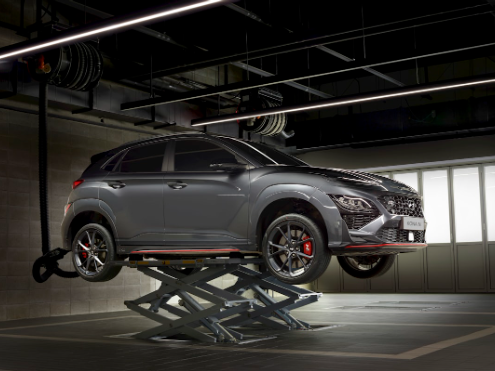
As a vehicle owner in Dublin, California, it's essential to understand the importance of routine maintenance for keeping your car running smoothly and efficiently. While most drivers are diligent about oil changes and tire rotations, many overlook the critical role of transmission fluid in their vehicle's performance and longevity. In this article, we'll explore the significance of transmission fluid and provide guidelines on how often you should flush it to ensure optimal operation. more Importance of Transmission Fluid Transmission fluid is a vital component of your vehicle's transmission system and serves multiple purposes to keep it functioning properly. This specialized fluid acts as a lubricant, reducing friction between moving parts and preventing wear and tear. It also helps to cool the transmission, dissipating heat generated by the complex mechanical processes. Additionally, transmission fluid facilitates smooth and precise gear shifts to ensure a comfortable driving experience. Using the correct type and quantity of transmission fluid is essential for maintaining optimal performance. Different vehicles require specific formulations, so it's important to consult your owners manual or a trusted mechanic to determine the appropriate fluid for your car. Low, burnt, or contaminated fluid can lead to a range of issues, such as gear slippage, delayed engagement, and even complete transmission failure. Signs You Need a Transmission Fluid Flush Recognizing the symptoms of a transmission in need of a fluid flush can help you address the issue before it escalates into a more serious and costly problem. Some common signs to watch out for include: Strange noises or grinding sounds during gear shifts. Slipping gears or delayed engagement. Leaking fluid or low fluid levels. Rough shifts or jerking motions. Dashboard warning lights related to the transmission. If you experience any of these symptoms, you should have your vehicle inspected by a qualified mechanic promptly. They can diagnose the issue and determine whether a transmission fluid flush is necessary to restore proper function. Recommended Flush Intervals How often you should flush your transmission fluid depends on various factors such as the type of transmission, your vehicle's make and model, and driving conditions. There are some general guidelines you can follow to ensure timely maintenance. Automatic Transmissions For most vehicles with automatic transmissions, manufacturers recommend a flush every 30,000 to 100,000 miles or every two to five years, whichever comes first. This wide range accounts for differences in driving habits, climate, and transmission type. Vehicles subjected to severe driving conditions, such as frequent stop-and-go traffic or extreme temperatures, may require more frequent flushes to maintain optimal performance. Manual Transmissions Manual transmissions generally require less frequent fluid changes compared to their automatic counterparts. Typical intervals for manual transmissions range from 30,000 to 60,000 miles or every two to four years. Consult your vehicle's owners manual for specific recommendations, as some models may have different requirements. Severe Driving Conditions If you frequently operate your vehicle under severe driving conditions, such as towing heavy loads, you may need to have your transmission fluid flushed more often. In these cases, it's advisable to refer to your owners manual for guidance on the appropriate maintenance schedule. Failing to adhere to these recommendations can lead to accelerated wear and tear on your transmission. DIY vs. Professional Transmission Flush Service When it comes to performing a transmission fluid flush, you have the option of doing it yourself or taking your vehicle to a professional mechanic. While DIY enthusiasts may be tempted to tackle this task independently, it's crucial to consider the complexity of the process and the potential risks involved. Transmission fluid flushes require specialized equipment and expertise to ensure the job is done correctly. Improper techniques or using the wrong fluid can cause damage to your transmission, leading to costly repairs. Additionally, attempting a DIY flush may void your vehicle's warranty, leaving you responsible for any resulting issues. Opting for a professional transmission flush service at a reputable facility, such as Dublin Hyundai, offers numerous benefits. Their skilled technicians have the knowledge, tools, and experience to perform the flush according to manufacturer specifications, ensuring optimal results. Having the work done by a professional provides peace of mind, as the service is typically backed by a warranty, and protects you from unexpected expenses. The Benefits of Regular Transmission Maintenance Investing in regular transmission fluid flushes offers a range of benefits that contribute to the overall health and longevity of your vehicle. By keeping your transmission well maintained, you can: Extend the life of your transmission by reducing wear and tear. Improve fuel efficiency and achieve smoother shifting performance. Prevent major transmission repairs or replacements, saving you money in the long run. Maintain your vehicle's resale value by demonstrating a commitment to proper maintenance. Preventive maintenance, such as routine transmission fluid flushes, allows you to catch potential issues early before they escalate into more serious and expensive problems. By being proactive about your vehicle's care, you can enjoy a smoother, more reliable drive for many years to come. Regular transmission flushes can also help improve your overall driving experience. A well-lubricated transmission ensures smooth and predictable gear shifting, making your car more enjoyable to drive. A properly maintained transmission can help your vehicle become more fuel-efficient, as the engine can operate more effectively when the transmission is functioning optimally. Is It Time for Your Transmission Flush? Now that you understand the importance of transmission fluid and the recommended flush intervals, it's time to assess your own vehicle's needs. Check your owners manual or consult with the knowledgeable team at Dublin Hyundai to determine if your car is due for a transmission flush. If you're experiencing any of the warning signs mentioned earlier, don't hesitate to schedule an appointment for a professional evaluation. Remember, regular transmission maintenance can significantly improve your vehicle's performance, longevity, and overall value. Trust the experts at Dublin Hyundai to provide top-quality transmission services and keep your vehicle running at its best. a car on a lift in a garage by Hyundai Motor Group is licensed with Unsplash License

Automotive mechanic holding a dropping oil filter at a Dublin, CA Hyundai dealership.

Why Should You Go to a Dealership for Service?

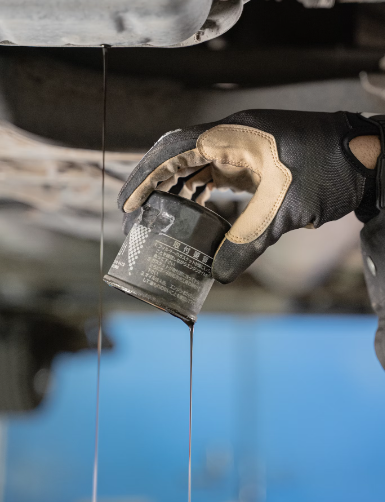
No matter how well you maintain your vehicle, the need for service is inevitable. Whether it's a punctured tire, a malfunctioning thermostat, or spark plug issues, you'll eventually need to check in with an independent mechanic or dealership for assistance. But who should you trust with your beloved vehicle? While independent mechanics may seem more affordable, there are numerous advantages to choosing a dealership for service, particularly ours. Let's explore why dealership service is the right choice for ensuring your vehicle's longevity and performance. more Expertise You Can Trust When you opt for dealership service, you're not just getting standard automotive care; you're getting expertise directly from those who know your vehicle best. Manufacturer-certified technicians are a crucial aspect of dealership service benefits. Our professionals undergo rigorous, ongoing training designed by Hyundai, ensuring they're up to date with the latest automotive technologies and models. This specialized knowledge is crucial, especially given the sophisticated and diverse technology integrated into modern vehicles. Genuine Hyundai Parts Assurance Your vehicle is a complex machine, and every component plays a crucial role in its performance. Consequently, using genuine original equipment manufacturer (OEM) Hyundai parts for repairs and maintenance is vital. These are identical to the components initially installed in your vehicle, ensuring optimal performance and preserving its integrity. While independent mechanics may use aftermarket parts to reduce costs, these often lack the precision and compatibility of genuine OEM components. Dealership service eliminates this risk, ensuring your vehicle receives the highest quality parts every time. Advanced Diagnostic Equipment Modern vehicles are equipped with advanced technology to enhance performance and safety. As a result, dealership service must utilize sophisticated diagnostic equipment to accurately identify and address any issues. At our state-of-the-art facility, technicians can access the latest diagnostic tools and software designed specifically for Hyundai vehicles. This advanced equipment enables them to pinpoint problems quickly, minimizing wait times and reducing the likelihood of misdiagnosis. Warranty and Recall Services One significant advantage of dealership service is its simplicity for warranty claims and recall repairs. As an authorized dealer, we have direct access to manufacturer warranties, streamlining the process for any repairs covered under warranty. Additionally, in the rare event of a recall, dealership service ensures that your vehicle receives the necessary repairs promptly and at no cost. This convenience and peace of mind are invaluable for maintaining your vehicle's value and performance. Customer Convenience Dealership service is not just about fixing your vehicle; it's also about providing a convenient and comfortable experience for the customer. We understand this and go above and beyond to ensure every service visit is as stress-free as possible. To cater to your needs and ensure your satisfaction, we offer several customer-centric amenities and services: Loaner vehicles: We provide loaner vehicles for you while we service your car so you don't experience disruptions. Comfortable waiting areas: Our waiting areas are comfortable and convenient, featuring complimentary Wi-Fi, coffee, and snacks to make your wait pleasant. Online appointment scheduling: We understand the value of your time, so we offer an easy-to-use online booking system that allows you to schedule your service appointments quickly and without hassle. Each of these services aims to enhance your experience with our Dublin Hyundai dealership, ensuring your vehicle gets the expert attention it needs while you enjoy the convenience and comfort we're known for. Maintenance Records Keeping a comprehensive and easily accessible service history with an authorized dealer has significant benefits when you decide to sell or trade in your vehicle. A detailed record of services performed by certified technicians enhances your car's resale value and instills confidence in potential buyers regarding its maintenance and care. We maintain detailed service records of every visit, making them easy for you to access and share when needed. More Space and Better Equipment One overlooked advantage of dealership service centers is the ample space and superior equipment. Unlike the constrained lots of independent mechanics, dealership lots are expansive, providing ample room for multiple repair bays and enabling the simultaneous service of more vehicles. This capacity ensures more efficient service timelines and reduces customer wait times. Furthermore, dealerships boast more qualified staff, ensuring that skilled hands are always available to promptly address your vehicle's needs. Additionally, dealerships often have extra facilities that independent shops lack, such as an on-site car wash. This means your vehicle doesn't just leave the dealership in better mechanical condition; it also leaves cleaner and more attractive. More space, better equipment, and extra perks boost the dealership service experience, offering benefits beyond basic vehicle maintenance. Free Pickup and Delivery Service Do you have a busy schedule or need to stay home and relax? We strive to make vehicle maintenance as convenient as possible, so we offer free pickup and delivery for any service. Whether it's routine maintenance or a repair, you can count on us. Simply schedule your service, and we'll take care of the rest, ensuring your car receives the professional attention it needs without disrupting your day. Dealer Perks and Discounts Finally, dealership service comes with additional perks and discounts you wouldn't find at an independent mechanic's shop. Manufacturers often offer special deals and promotions exclusively for dealership service customers, making it even more affordable to maintain your vehicle's health. From complimentary multipoint inspections to discounted services or parts, these promotions offer great value and savings for loyal customers. Experience the Dublin Hyundai Difference Don't settle for anything less than the best when it comes to the care and maintenance of your vehicle. Schedule your next appointment at our service department in Dublin, California, and experience the difference that comes with choosing a dealership for repairs and maintenance. Our commitment to using genuine Hyundai parts, our highly trained technicians, and our state-of-the-art facilities ensure that your vehicle receives the expert care it deserves. Feel free to contact us with any questions or concerns, and let us take the stress out of vehicle maintenance for you. Photo by Jimmy Nilsson Masth on Unsplash

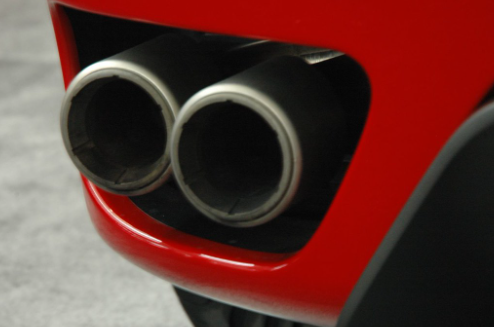
Red painted car close up on tailpipe emitting exhaust smoke.

What the Color of Your Exhaust Can Tell You About Your Vehicle

In the realm of automotive diagnostics, the color of the smoke trailing from your car's exhaust is akin to Morse code, a series of signals conveying your vehicle's internal state. Read as our Dublin Hyundai team ventures deep into the palette of exhaust smoke meanings, unraveling the various colors and what each implies. Equipping yourself with this knowledge empowers your vehicle's longevity and efficiency and ensures your safety and that of others on the road. more The Spectrum of Exhaust Smoke: An Overview What makes the color of your car's exhaust smoke significant, and what accounts for its variation? It all boils down to the complex dynamics of your car's engine and how it burns fuel. The engine's health, the fuel type it uses, and even the weather conditions can all change the color of the smoke you see. By understanding the meaning behind each color variation, you can spot early signs of trouble, allowing you to address minor problems before they grow into more significant, costly issues. This proactive approach is crucial for maintaining your vehicle's performance and extending its life span. The Transparency of Clear Exhaust Seeing clear vapor rising from the exhaust, especially in the coolness of the morning as you head to work in Dublin, is usually nothing to worry about. Often, this is just water vapor, a harmless result of the combustion process that's more visible when the exhaust system is still cold. It's a comforting indication that your vehicle's system is working correctly without any hidden problems needing attention. White Smoke: A Tale of Two Temperatures White exhaust smoke teeters between being a non-issue and a cause for alarm. Like your breath on a cold day, the sight of thin, delicate vapor usually means condensation is evaporating harmlessly. In contrast, dense, voluminous, white smoke is a red flag. It often suggests a coolant leak into the combustion chamber, where antifreeze mixes and burns with fuel. This condition leads to risks of overheating and significant engine damage, requiring prompt and serious repair measures. The Enigma of Blue and Gray Smoke Blue or gray smoke from your car's exhaust indicates oil is leaking into the combustion chamber, requiring swift action. Various problems can cause this leakage, including deteriorated seals or gaskets or extensive engine wear. The presence of oil in the combustion process reduces the engine's performance and fuel efficiency and poses a threat of irreversible damage if you don't deal with it promptly. The Dark Warning of Black Smoke Black smoke billowing from the exhaust is a definitive warning that your vehicle is consuming too much fuel. Various factors can cause this issue, including a blocked air filter, a faulty fuel injection system, or a malfunctioning sensor. More than just highlighting a decrease in fuel efficiency, black smoke suggests the engine is experiencing stress, making it imperative to seek professional diagnostic services to uncover and resolve the root cause of the problem promptly. Beyond the Common Hues Although the most common exhaust smoke colors to watch for are clear, white, blue, and black, other, less typical hues may occasionally appear. These unusual colors may arise under specific conditions, such as introducing certain fuel additives or because of rare mechanical issues. Treating an unexpected color in your car's exhaust smoke with interest and wariness is wise. Dublin Hyundai's Diagnostic and Repair Prowess Dublin Hyundai's service department is at the cutting edge of vehicle maintenance and prides itself on offering top-tier automotive services. We have advanced diagnostic technology and a skilled team proficient in decoding the messages exhaust smoke conveys. Our expert technicians excel in identifying and correcting problems associated with exhaust emissions, guaranteeing your car returns to its optimal state. We use only authentic Hyundai parts, and our repair work stands out for its superior quality and long-lasting durability. Championing Preventive Maintenance Preventive maintenance is critical in ensuring your vehicle's health and longevity, shielding against potential issues that may arise with the exhaust system and beyond. At Dublin Hyundai, we place a high value on these preventive measures by providing extensive maintenance evaluations to detect and avert issues, ultimately enhancing your vehicle's operational performance. Regular preventive maintenance does more than dodge potential problems; it actively reinforces your vehicle's dependability and extends its life span, ensuring it stays in top condition. This approach is integral to maintaining a vehicle's peak performance and safeguarding against unexpected repairs. When To Reach Out to Dublin Hyundai It's crucial to immediately respond when you notice any oddities in your car's exhaust smoke. We urge you to schedule a service appointment with Dublin Hyundai quickly. Our proficient service team has the necessary tools and expertise to diagnose and resolve issues. Your vehicle will receive the best possible care, so you can have peace of mind knowing skilled professionals are servicing it. The Necessity of Heeding Exhaust Smoke Signals Paying attention to the color of your vehicle's exhaust smoke goes beyond diagnostics; it's a critical aspect of proactive vehicle maintenance. By interpreting and acting upon your vehicle's cues, you become integral to its maintenance, ensuring its reliability and safety on every journey. Our dedication at Dublin Hyundai is to empower you with knowledge and services that ensure your vehicle remains a dependable companion, safeguarding your travels and maintaining its optimal performance. Visit the Experts at Dublin Hyundai Today If your vehicle's exhaust color concerns you or needs regular maintenance, contact the highly trained professionals at Dublin Hyundai's service center. We're ready to diagnose and repair any vehicle issues. We offer the convenience of financing your service or parts needs in addition to our top-tier service. Call us at 925-241-7640 or schedule your service online today. Tailpipe by Greg Chiasson is licensed with CC BY-SA 2.0 DEED

110622427_6a27a3cf47_c

Does My Hyundai Need Premium Gas?

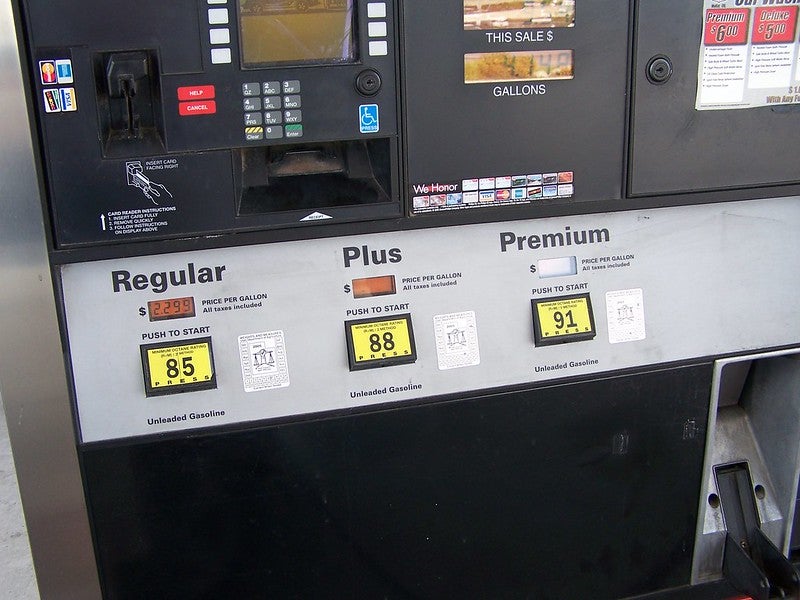
The price of gas in the U.S. hit record highs during the summer of 2022. Since then, the price has come back down to earth a little bit, but even still, people are trying to do whatever they can to save money on gas these days. If you're someone who is taking strides to bring your fuel costs down, you might be in the habit of shopping around for gas to help yourself get access to the cheapest fuel possible. You might also be wondering, "Does my Hyundai need premium gas?" if you've been filling your vehicle up with premium gas on a regular basis. The simple act of switching from premium gas to regular gas might be enough to save you a significant amount of money on fuel every time you fill up. But before you stop using it, you should find out the answer to that burning question. Dublin Hyundai is here to help; continue reading to see if buying premium gas really makes a difference. What's Premium Gas? Prior to answering the question, "Does my Hyundai need premium gas?", we want to make sure that you know what premium gas is. Most people have seen premium gas listed as an option at gas stations, but they aren't always sure what it is or how it can potentially help some vehicles. Every type of gas has an octane level. Regular gas has an octane level of 87, while midgrade gas has an octane level of 89. On the other hand, Premium gas has an octane level of either 91 or even 93 (though this is sometimes referred to as super-premium gas). Because it has such a high octane level, premium gas is ideal for any vehicle that has a high-performance engine in it. It's also good for a lot of older vehicles that have engines that could use some extra TLC. Does My Hyundai Need Premium Gas? Now that you have a better idea of what premium gas is, let's talk about the answer to the question, "Does my Hyundai need premium gas?" After hearing about what premium gas is and what type of vehicle it can help, you might be under the impression that buying it'd be better for your Hyundai. But guess what? In most cases, it's not. Putting premium gas into a Hyundai isn't necessarily going to do any harm to it. But at the same time, it's also not always going to provide you with the benefits that the owners of other kinds of cars might get. It's why you'll want to think twice before investing in premium gas for your Hyundai. What Will Happen If You Put Premium Gas in a Hyundai? If you've been putting premium gas into your Hyundai for a little while now, you might be freaking out at the moment and wondering if you've done damage to your vehicle by doing this. You'll be happy to hear that there's very little risk associated with putting premium gas into a Hyundai. Premium gas isn't going to damage your engine or any of the important components in it. But with that being said, you should most likely stop putting premium gas into your Hyundai because it's probably not doing anything more than regular gas would do. As a result, you're going to be wasting a lot of money by putting premium gas into your Hyundai. You should go back to putting regular gas into your Hyundai unless a technician from a Hyundai dealership has specifically told you otherwise. How Can You Find Out What Kind of Gas Your Hyundai Needs? An easy way to figure out what kind of gas you should be putting into your Hyundai is by flipping through the owner's manual that came with it. Hyundai will provide you with specific instructions on what you should be putting into your car as far as gas is concerned. They're usually going to suggest that you put regular gas into it as opposed to premium or even midgrade gas. All vehicles are a little bit different, so just because your Hyundai doesn't need premium gas doesn't mean that other Hyundai models won't need it. It also doesn't mean that there won't be Hyundais that will need to rely on premium gas in the not-too-distant future. You should make it your mission to read through as much of the owner's manual for your Hyundai as you can. It'll give you valuable insight into which gas you should be using in your car. It'll also tell you which type of oil you should put in your vehicle and how often you should perform certain car maintenance steps. Sadly, a lot of people don't ever get around to reading the owner's manual for their vehicle, but it could do a lot of good for your car when you read through it. Contact Us for More Tips on Caring for Your Hyundai Do you have questions other than just "Does my Hyundai need premium gas?" that you'd like to get answers to? If so, you can count on Dublin Hyundai to provide you with them so that you're able to maintain your Hyundai to the best of your ability. Our service center is always happy to help you with any questions or concerns you might have about your Hyundai. At Dublin Hyundai, we also have a wide variety of new and pre-owned Hyundais for you to choose from the next time you need to buy a vehicle. We'll walk you through some of your best options and tell you about the various Hyundais we have in our inventory. It should make it easy for you to pick one that you'll love for many years to come. It'll also make it simpler for you to tackle the maintenance that will need to be done to it. Reach out to us today to shop for Hyundai vehicles. Our dedicated team is always on hand to help. gas_pump by Zach Tirrell is licensed with CC BY-SA 2.0

Contact Us

Fill out this form below and we'll contact you shortly

By submitting your information, you agree to the sharing of your information between Hyundai Motor America and its authorized dealers.

*Required Fields