
Blog / Dublin Hyundai Service

Does My Hyundai Need Premium Gas?

110622427_6a27a3cf47_c

The price of gas in the U.S. hit record highs during the summer of 2022. Since then, the price has come back down to earth a little bit, but even still, people are trying to do whatever they can to save money on gas these days. If you're someone who is taking strides to bring your fuel costs down, you might be in the habit of shopping around for gas to help yourself get access to the cheapest fuel possible.

You might also be wondering, "Does my Hyundai need premium gas?" if you've been filling your vehicle up with premium gas on a regular basis. The simple act of switching from premium gas to regular gas might be enough to save you a significant amount of money on fuel every time you fill up. But before you stop using it, you should find out the answer to that burning question. Dublin Hyundai is here to help; continue reading to see if buying premium gas really makes a difference.

What's Premium Gas?

Prior to answering the question, "Does my Hyundai need premium gas?", we want to make sure that you know what premium gas is. Most people have seen premium gas listed as an option at gas stations, but they aren't always sure what it is or how it can potentially help some vehicles.

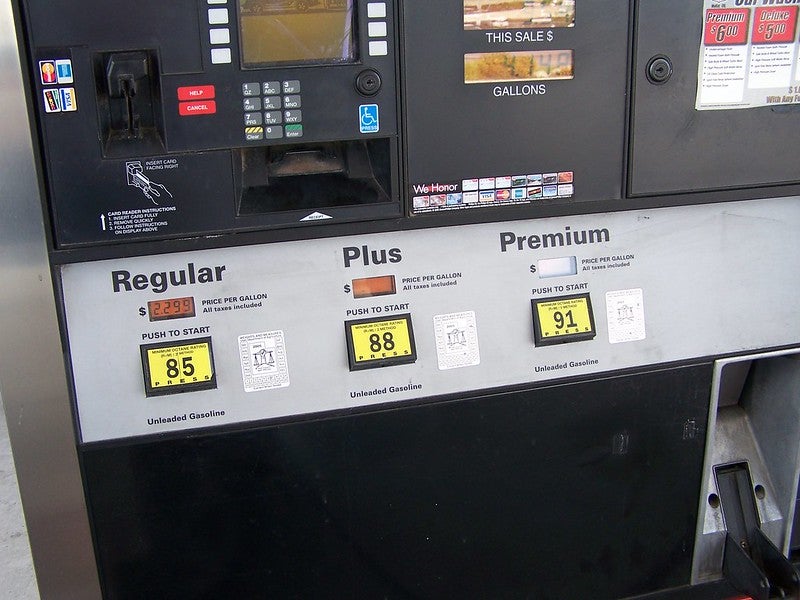
Every type of gas has an octane level. Regular gas has an octane level of 87, while midgrade gas has an octane level of 89. On the other hand, Premium gas has an octane level of either 91 or even 93 (though this is sometimes referred to as super-premium gas). Because it has such a high octane level, premium gas is ideal for any vehicle that has a high-performance engine in it. It's also good for a lot of older vehicles that have engines that could use some extra TLC.

Does My Hyundai Need Premium Gas?

Now that you have a better idea of what premium gas is, let's talk about the answer to the question, "Does my Hyundai need premium gas?" After hearing about what premium gas is and what type of vehicle it can help, you might be under the impression that buying it'd be better for your Hyundai. But guess what? In most cases, it's not.

Putting premium gas into a Hyundai isn't necessarily going to do any harm to it. But at the same time, it's also not always going to provide you with the benefits that the owners of other kinds of cars might get. It's why you'll want to think twice before investing in premium gas for your Hyundai.

What Will Happen If You Put Premium Gas in a Hyundai?

If you've been putting premium gas into your Hyundai for a little while now, you might be freaking out at the moment and wondering if you've done damage to your vehicle by doing this. You'll be happy to hear that there's very little risk associated with putting premium gas into a Hyundai. Premium gas isn't going to damage your engine or any of the important components in it.

But with that being said, you should most likely stop putting premium gas into your Hyundai because it's probably not doing anything more than regular gas would do. As a result, you're going to be wasting a lot of money by putting premium gas into your Hyundai. You should go back to putting regular gas into your Hyundai unless a technician from a Hyundai dealership has specifically told you otherwise.

How Can You Find Out What Kind of Gas Your Hyundai Needs?

An easy way to figure out what kind of gas you should be putting into your Hyundai is by flipping through the owner's manual that came with it. Hyundai will provide you with specific instructions on what you should be putting into your car as far as gas is concerned. They're usually going to suggest that you put regular gas into it as opposed to premium or even midgrade gas.

All vehicles are a little bit different, so just because your Hyundai doesn't need premium gas doesn't mean that other Hyundai models won't need it. It also doesn't mean that there won't be Hyundais that will need to rely on premium gas in the not-too-distant future.

You should make it your mission to read through as much of the owner's manual for your Hyundai as you can. It'll give you valuable insight into which gas you should be using in your car. It'll also tell you which type of oil you should put in your vehicle and how often you should perform certain car maintenance steps. Sadly, a lot of people don't ever get around to reading the owner's manual for their vehicle, but it could do a lot of good for your car when you read through it.

Contact Us for More Tips on Caring for Your Hyundai

Do you have questions other than just "Does my Hyundai need premium gas?" that you'd like to get answers to? If so, you can count on Dublin Hyundai to provide you with them so that you're able to maintain your Hyundai to the best of your ability. Our service center is always happy to help you with any questions or concerns you might have about your Hyundai.

At Dublin Hyundai, we also have a wide variety of new and pre-owned Hyundais for you to choose from the next time you need to buy a vehicle. We'll walk you through some of your best options and tell you about the various Hyundais we have in our inventory. It should make it easy for you to pick one that you'll love for many years to come. It'll also make it simpler for you to tackle the maintenance that will need to be done to it.

Reach out to us today to shop for Hyundai vehicles. Our dedicated team is always on hand to help.

gas_pump by Zach Tirrell is licensed with CC BY-SA 2.0

Posted in:

Related Posts

Hyundai Palisade parked on a bay area California cliffside.

Hyundai Tire Care Tips

Your vehicle's tires are among its most critical safety components, directly impacting handling, fuel efficiency, and overall driving performance. Proper tire care ensures a smooth ride and prolongs the life span of your tires, ultimately saving you money. Keep reading to learn essential tire care tips to keep your Hyundai performing at its best. more The Importance of Regular Tire Maintenance Consistent tire maintenance offers several benefits, including: Enhanced safety: Properly maintained tires improve traction, stability, and braking performance, reducing the risk of accidents. This helps you maintain control in various driving conditions, including wet roads, potholes, and extreme temperatures, which can accelerate tire wear. Better fuel efficiency: Well-maintained tires reduce rolling resistance, improving fuel economy. Keeping your tires at the correct pressure ensures you get the most out of every gallon. Prolonged tire life: Routine care prevents premature wear, allowing your tires to last longer before needing replacement. This reduces long-term costs and ensures a safer driving experience. Tire Inspection Methods Conducting regular tire inspections helps identify potential issues before they escalate into serious problems. Start with a visual check, looking for cracks, bulges, punctures, or embedded objects that could weaken your tires and increase the risk of failure. Next, inspect the tread wear—uneven wear patterns may indicate alignment or inflation issues, and addressing these early can prevent further damage while extending tire life. Pay attention to any unusual vibrations or noise while driving, as these could signal the need for tire balancing or alignment and may even point to deeper mechanical concerns. Regular Tire Pressure Monitoring and Adjustment Maintaining proper tire pressure is crucial for performance and safety. Here's what you can do: Prevent underinflation: Low pressure can cause poor handling, reduced fuel efficiency, and increased tire wear. This can also increase the risk of blowouts. Avoid overinflation: Excessive pressure can lead to a rough ride and uneven wear. Overinflated tires also reduce traction and impact braking efficiency. Heed tire pressure monitoring system alerts: Most modern Hyundai vehicles feature a tire pressure monitoring system to notify you when pressure is too low. Perform monthly checks: Tires naturally lose 1-2 psi per month. Use a tire pressure gauge to check and adjust pressure according to the manufacturer's recommendations. Tread Depth: How To Measure It and Why It Matters Tread depth determines a tire's ability to grip the road, especially in wet conditions. Here's how you can measure your tire's tread depth: Use the quarter test: Insert a quarter upside down into the tire tread. If you can see the top of George Washington's head, it's time for a replacement. Check the tread wear indicators: Most tires have built-in tread wear bars that signal when replacement is needed. These bars become visible as the tire wears down. Know the legal tread depth: Anything below 2/32 of an inch is unsafe and should be replaced immediately. Proper tread depth ensures optimal traction and braking performance. Advanced Tire Care Practices Beyond basic inspections and air pressure checks, additional maintenance can help extend the life of your tires. Regular tire rotation, recommended every 5,000-6,000 miles, ensures even wear and prevents excessive strain on specific tires, promoting balanced performance. Wheel alignment is also essential—if your vehicle pulls to one side or the steering wheel feels off-center, an alignment is necessary to prevent uneven tread wear. Additionally, properly balanced tires reduce vibrations, improve ride comfort, and enhance overall vehicle stability, ensuring a smoother and safer driving experience. When and How To Replace Worn Tires Knowing when to replace your tires is crucial for safety. Warning signs include: Balding or uneven tread wear: Reduced tread depth affects grip and stopping distance. This increases the risk of hydroplaning in wet conditions. Cracks, bulges, or punctures: Structural damage can lead to blowouts. Inspecting for these signs helps prevent sudden tire failures. Persistent air loss: If a tire consistently loses pressure, it may need replacement. Continuous air loss can indicate internal damage. Another key component of replacing your tires is choosing the right tires for your vehicle and climate. Hyundai dealerships offer factory-approved tires with road hazard coverage for peace of mind. These tires are designed for optimal performance with your Hyundai model. Maximizing Tire Longevity Extend the life of your Hyundai's tires with these habits: Drive smoothly: Avoid sudden acceleration, hard braking, and sharp turns. Aggressive driving puts unnecessary strain on tires and shortens their life span. Avoid overloading: Excess weight increases stress on tires. Staying within your vehicle's weight limit reduces the risk of premature wear. Use proper storage: If storing spare tires, keep them in a cool, dry place to prevent deterioration. Exposure to extreme temperatures can weaken rubber compounds. Perform regular cleanings: Remove debris and clean tires to prevent buildup that can accelerate wear. Dirt and grime can cause rubber to degrade over time. Scheduling Professional Tire Service for Your Hyundai While regular self-maintenance is essential, professional service ensures optimal tire performance. Our trained technicians at Dublin Hyundai can detect issues you may overlook, such as internal damage or misalignment. They also use specialized tools and diagnostic equipment to assess tire health more accurately than a visual inspection alone. Precision alignment and balancing ensure even tire wear and smooth handling, preventing premature replacement. Hyundai dealerships also provide access to Hyundai-approved tires designed specifically for your vehicle model, ensuring safety and compatibility. Scheduling professional tire care guarantees that your Hyundai remains in top condition for the road ahead. While getting your tires taken care of, you can also tackle other upkeep requirements for your vehicle. Here are some other services to consider adding during your Hyundai tire maintenance appointment: Cabin air filter replacement Oil and oil filter change Brake repair or replacement Wiper blade replacement Bulb replacement Invest in Proper Tire Care for Your Hyundai at Dublin Hyundai Ensuring proper tire maintenance enhances safety, fuel efficiency, and driving comfort. By following these tire care tips for Hyundai vehicles, you can extend the life span of your Hyundai tires and enjoy a worry-free driving experience. For professional tire services, visit Dublin Hyundai, where our expert technicians are ready to assist with inspections, rotations, alignments, and replacements. Schedule your appointment today to keep your Hyundai running smoothly and safely. Parked Hyundai Palisade by Hyundai Motor Group is licensed with Pexels License

Black Hyundai Palisade getting service in Dublin, CA.

Why Choose OEM Hyundai Parts?

When it comes to maintaining your Hyundai, choosing the right parts makes a significant difference. Opting for original equipment manufacturer (OEM) parts ensures top-quality performance and longevity. Unlike aftermarket alternatives, OEM parts are specifically crafted to fit your vehicle perfectly. Though cheaper options may seem appealing, OEM parts are often more reliable than aftermarket options. At Dublin Hyundai, we're dedicated to offering expert service and genuine parts that help your car deliver its best performance. more Advantages of Using Hyundai OEM Parts Choosing the right parts for your Hyundai can affect the longevity and performance of your vehicle. While aftermarket parts may seem appealing due to their lower price tags, they often fail to match the quality and precision of OEM components. There are multiple advantages to using OEM parts. Fit and Compatibility Hyundai's engineers design OEM parts to match the exact specifications of your specific model and year, ensuring a perfect fit without any modifications or adjustments. On the other hand, aftermarket parts are often mass-produced for multiple vehicles, leading to potential compatibility issues. With OEM parts, you eliminate the guesswork. Quality and Durability OEM parts from Hyundai undergo rigorous testing during production to meet high-quality standards. Built with premium materials, these parts last longer and reduce the chance of failure. In contrast, aftermarket components may use inferior materials, leading to quicker wear and tear and additional repair costs. Warranty Coverage Using OEM parts helps maintain your vehicle's warranty. Aftermarket parts could void the warranty if they lead to damage or malfunction. Hyundai's OEM warranty means you can rest easy knowing any part installed is covered for defects or issues, offering long-term confidence in your vehicle. Enhanced Performance OEM parts are optimized for performance. Whether it's a brake pad, air filter, or engine component, each part works in harmony with the other components in your vehicle. This ensures smooth functionality and peak efficiency, something aftermarket parts can't always guarantee. If you want to keep your Hyundai in top shape, choosing OEM parts is a wise investment in safety and value. The Impact of OEM Parts on Safety Every part plays an essential role in protecting you and your passengers. OEM Hyundai parts meet the stringent safety standards set by Hyundai and the National Highway Traffic Safety Administration. Using OEM components ensures your car's crucial safety features — such as airbags, braking systems, and sensors — continue to work at their highest capacity. Aftermarket parts may not meet the same rigorous standards. They're generally designed to fit multiple vehicles, which can compromise functionality. A poorly fitting part could interfere with essential safety features or fail under stress, posing significant risks during an emergency. OEM parts also work seamlessly with your vehicle's existing systems, ensuring no conflicts in how those systems operate. Everything from brake pads to windshield wipers is crafted specifically for your Hyundai model. If you want to know that every component in your vehicle is working as intended to prioritize safety, OEM parts are the clear choice. Don't risk cutting corners with parts that keep you safe on the road. Why OEM Parts Are a Better Long-Term Investment Opting for OEM Hyundai parts can extend the life of your vehicle, as aftermarket components often fail to deliver the same quality and dependability. Investing in OEM parts goes beyond the immediate repair; it sets your vehicle up for long-term success. Avoid Costly Repairs and Replacements Because aftermarket parts are often mass-produced to fit multiple vehicles, they lack the precise engineering of OEM components. This can result in poor fit and performance, leading to a higher likelihood of wear and tear. Over time, using lesser-quality parts can cause more significant damage to other systems in your vehicle. While aftermarket parts may seem cheaper upfront, you could spend more on repairs and replacements. Protect Your Vehicle's Resale Value OEM parts help preserve your vehicle's resale value. When it's time to sell your car, buyers are more likely to trust a vehicle maintained with genuine Hyundai parts. Aftermarket components can raise concerns about quality and reliability, potentially lowering your car's value. By using OEM parts, you retain the integrity of your vehicle, making it more attractive to future buyers. Maintain Warranty Coverage One significant advantage of choosing OEM Hyundai parts is the superior warranty coverage that comes with them. With OEM components, you're less likely to face out-of-pocket expenses if a part fails under normal use. Aftermarket parts often don't offer comparable warranties, leaving you on the hook for repair costs if something goes wrong. In the end, while aftermarket options might save you a few dollars initially, OEM Hyundai parts provide longer-lasting value. They guarantee performance, protect your investment, and save you from unnecessary expenses over time. The Scope of Hyundai's Warranty for OEM Parts OEM Hyundai parts have a comprehensive warranty. Hyundai stands behind its parts, offering a 12-month or 12,000-mile limited warranty on all genuine replacement parts and accessories. This covers any defects in materials or factory workmanship under normal driving conditions. If an OEM part fails during this time, it can be repaired or replaced at no cost to you. Parts installed by authorized Hyundai dealers are also covered for defects that occur during regular use. But even if you purchase a genuine part and install it yourself or at an independent shop, you're still protected by Hyundai's 12-month warranty. Accessories are also covered under Hyundai's warranty. If installed before your vehicle's first use, they fall under the five-year or 60,000-mile New Vehicle Limited Warranty. For accessories added later, the same 12-month or 12,000-mile coverage applies. How To Purchase Genuine Hyundai OEM Parts at Dublin Hyundai Ordering genuine Hyundai OEM parts is quick and straightforward with Dublin Hyundai. You can easily find what you need by visiting our online parts order page, which allows you to select the exact components for your vehicle. Our knowledgeable staff is always ready to help with any questions, so feel free to contact us. Whether replacing worn-out parts or upgrading your ride, we'll get you the right fit every time. Don't settle for less; trust genuine parts for reliability and long-term performance. Black Hyundai Palisade Car in a Garage by jae p is licensed with Pexels License

Hyundai steering wheel and dashboard close up photo.

Why Does My Car Make Noise When I Turn?

Hearing strange noises when you turn your car can be unsettling. These sounds might suggest underlying issues that could affect your vehicle's safety and performance. Understanding the causes of these noises and addressing them promptly is crucial for your peace of mind and the longevity of your car. Our team at Dublin Hyundai will help you explore the common reasons for car noises when turning the steering wheel, learn to diagnose the source of these sounds, and know the steps to take for repairs. more Understanding Steering Noises Knowing the noises that can emanate from your steering is essential for identifying and solving the problem. Common Types of Steering Noises When you turn your steering wheel, you may notice the following unfamiliar noises: Grinding: This often means a problem with the power steering system or worn steering components. Squealing: This usually suggests low power steering fluid levels or worn belts. Knocking: This sound may signal issues with the suspension or steering linkage. Reasons Your Car May Be Making Noise When Turning There are some reasons why your car makes noises when you make a turn. Low Power Steering Fluid A common cause of steering noises is low power steering fluid. This fluid is essential for lubricating the steering system and providing the hydraulic pressure for smooth steering. When levels are low, you may hear whining or grinding noises, as the pump works harder to move the steering components. Worn or Damaged Steering Components Worn or damaged steering components, such as the steering rack, tie rods, or bushings, can lead to various noises when turning. These worn parts may not function correctly, causing knocking or clunking sounds. Constant Velocity Joint Wear Constant velocity (CV) joints transfer power from the engine to the wheels while allowing for movement during turns. If these joints wear out, you may hear clicking or popping noises when turning. This noise often becomes more pronounced during sharp turns. Suspension Issues The suspension system plays a critical role in vehicle handling and comfort. Worn bushings, ball joints, or struts can lead to noise when turning. You might hear clanking or rattling sounds, implying that components aren't functioning as they should. Diagnosing Steering and Turning Noises Troubleshooting steering and turning noises isn't difficult if you know what to do. Below, we outline tips for identifying the source of abnormal steering sounds when you turn your vehicle. Tips for Identifying the Source To effectively diagnose steering noises, consider the following tips: Listen carefully: Pay attention to the type of noise and when it occurs (e.g., during slow turns, sharp turns, or at idle). Check fluid levels: Check your power steering fluid levels regularly to rule out low fluid as a cause. Inspect components: Look for visible wear or damage in the steering and suspension components. Test-drive your vehicle: Take your car for a test drive in various conditions to see if the noise persists. When To Seek Professional Help If you can't identify the source of the noise or if it becomes more pronounced, it's essential to consult a professional mechanic. They can provide an accurate diagnosis and recommend the required repairs. Ignoring steering noises can lead to more severe issues, so seek professional help quickly. How To Fix Common Steering Noises There are some strategies you can use to fix the common steering noise problems. Refilling and Replacing Power Steering Fluid If low power steering fluid is the issue, you can easily check and refill it. Locate the power steering fluid reservoir under the hood and ensure the fluid is at the proper level. If it's low, top it off with the recommended fluid type. If you need to refill frequently, it may suggest a leak that requires professional inspection. The reservoir cap usually has the name of the required fluid type. Replacing Worn Out Steering Components Replacing worn steering components typically involves: Identifying the worn components: Determine which components need replacement (e.g., tie rods, steering rack). Gathering tools: Ensure you have the required tools, such as wrenches and socket sets. Removing the old components: Carefully detach the worn components, following manufacturer guidelines. Installing the new parts: Secure the new components in place and ensure all connections are tight. If you're not comfortable performing these repairs, it's best to have a professional do the work. The steering rack can especially be tricky to work on. So consider your mechanical knowledge before attempting these repairs. Addressing CV Joint and Suspension Repairs For CV joint or suspension issues, the repair process may involve: Inspection: A thorough inspection of the CV joints and suspension components is necessary. Replacement: If you find worn components, replace the affected CV joint or suspension part. Alignment: After repairs, wheel alignment may be necessary to ensure proper handling. Preventive Measures to Avoid Steering Noises There are some measures that can help prevent steering noises. Regular Maintenance Checks Regular maintenance is vital for preventing steering noises. Schedule routine inspections to check fluid levels, steering components, and suspension parts. Keeping up with maintenance can help you catch problems before they escalate. Timely Repairs Addressing issues promptly can prevent further damage and more costly repairs down the line. If you notice any strange noises, don't wait — have them checked out. Timely repairs not only ensure your safety but also enhance your vehicle's performance and longevity. When To Worry About Steering Noises Regarding the noises from your steering assembly, there are some signs that would require your immediate action. Identifying Serious Issues While some noises may be benign, others can signal serious problems. These include the following: Loud or persistent noises: These could signal significant steering or suspension issues. Difficulty steering: If the steering feels stiff or unresponsive, seek help immediately, as that could mean a failed power steering pump. Unusual vibrations: These vibrations during turning can suggest worn components or alignment issues. Experience Expert Hyundai Service and Support at Dublin Hyundai Understanding and addressing car noises when turning the steering wheel is vital for maintaining your vehicle's safety and performance. Proactive maintenance and repairs can prevent further issues and improve your driving experience. At Dublin Hyundai, we're committed to providing you with expert service and support, ensuring your car runs at its best. If you experience any steering noises when turning, contact us today to schedule a service appointment. Our expert technicians are ready to provide a thorough diagnosis and ensure your vehicle's safety and performance. 2012 Hyundai Accent (USA) by loubeat is licensed with CC BY 2.0